Wooden vs. Plastic Baby Toys: Which Should You Buy?
A grounded comparison of wooden and plastic baby toys — durability, cost, and what actually differs beyond the material.
Affiliate disclosure: This post contains Amazon affiliate links. If you buy through them, we may earn a commission at no extra cost to you. See our fulldisclosure policy.
Wooden and plastic baby toys each have genuine trade-offs, and neither material is a blanket upgrade over the other. Here’s a direct comparison of one well-known set from each category.
Melissa & Doug Wooden Toy Set
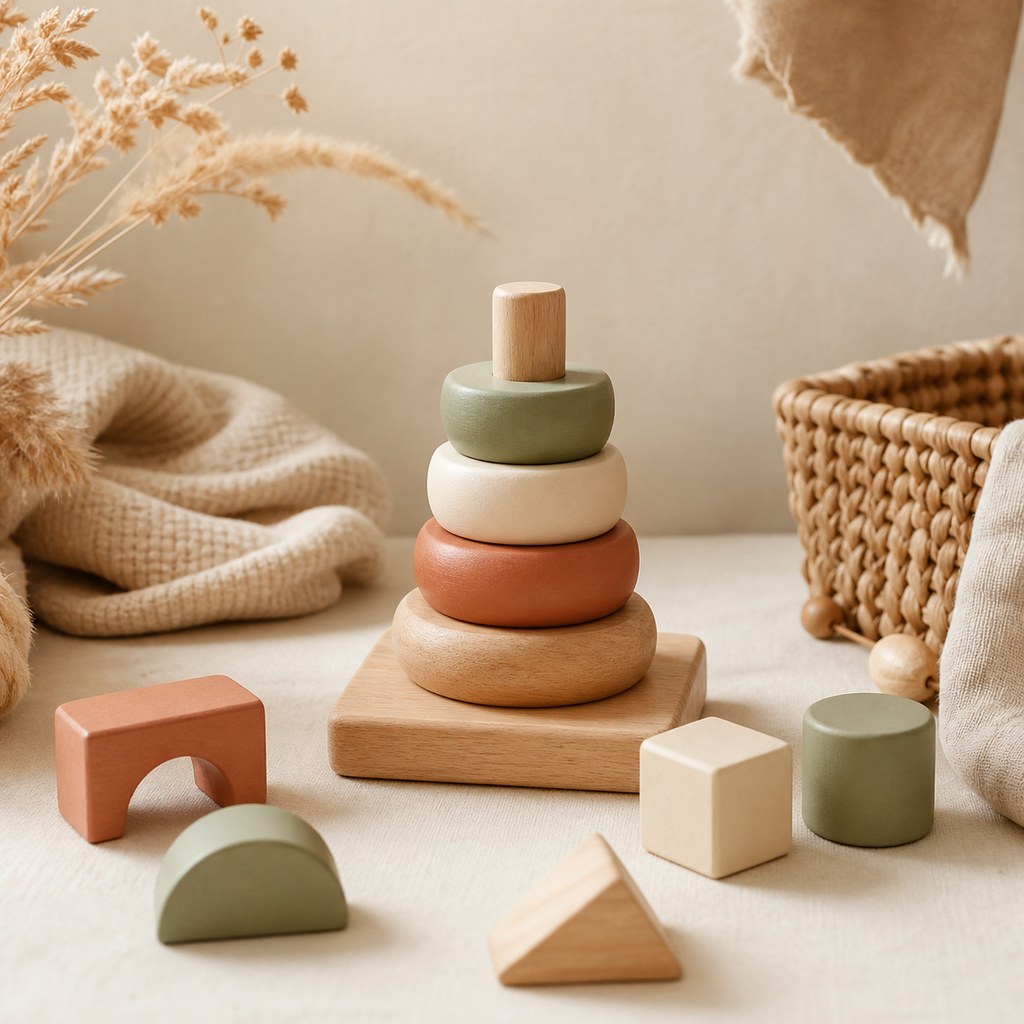
#1. Melissa & Doug Wooden Toy Set
$20–$35
Pros
- Solid wood construction holds up to years of drops and chewing
- No batteries, so no electronic noise or replacement costs
- Simple designs tend to age well and get handed down
Cons
- Heavier and harder-edged than plastic, so less forgiving if dropped on toes
- Fewer built-in sensory features like lights or sounds
Fisher-Price Plastic Stacking Toy Set
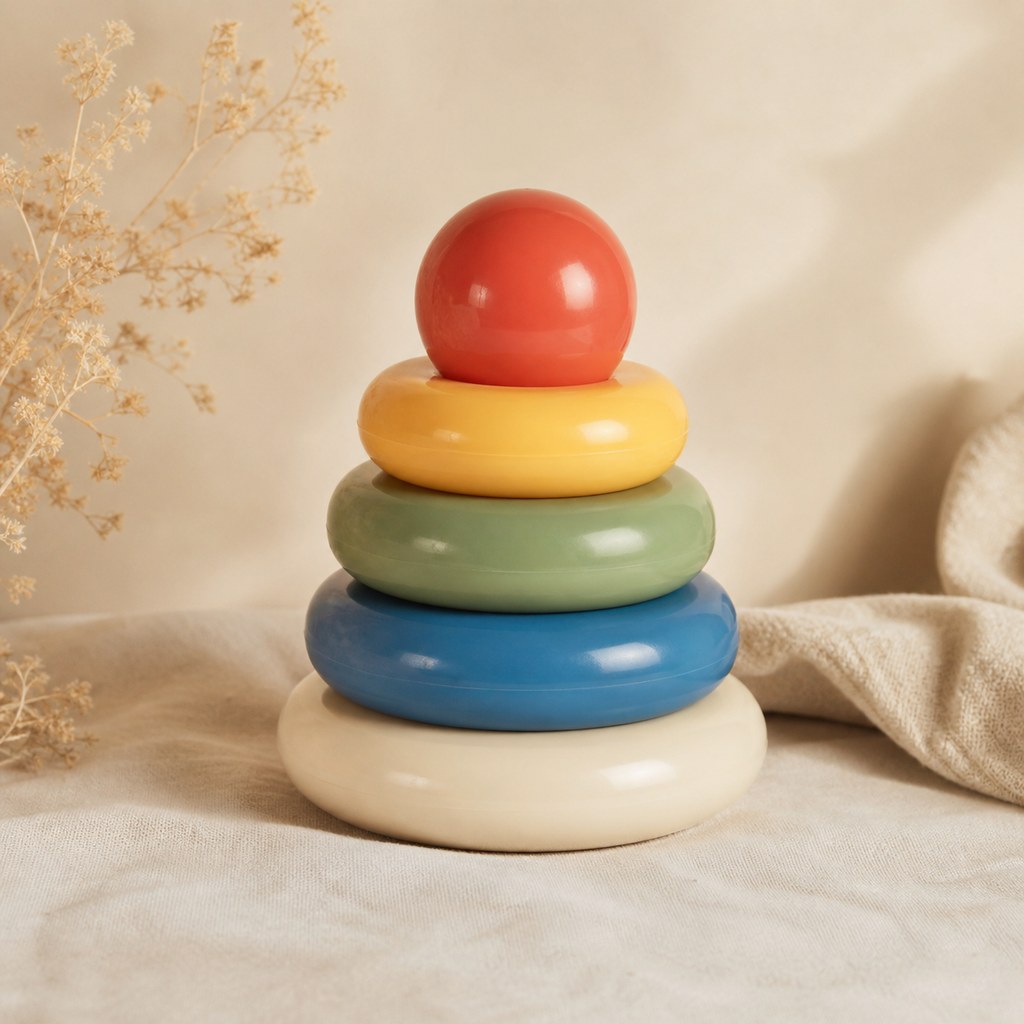
#2. Fisher-Price Plastic Stacking Toy Set
$10–$20
Pros
- Lightweight and softer-edged, easier for small hands to grip
- Often includes sound or light features that some babies engage with more
- Generally less expensive upfront
Cons
- Plastic can scratch, dull, or crack faster with heavy use
- Battery-powered versions need ongoing battery replacement
The actual trade-offs
Wooden toys tend to win on durability and simplicity — no batteries, no plastic fatigue, and a better shot at surviving being dropped, sat on, or chewed for a couple of years. Plastic toys tend to win on upfront cost and on built-in sensory features (lights, sounds, textures) that some babies respond to more than a plain wooden shape.
Neither is a strictly better choice — it depends on whether you’re prioritizing longevity and simplicity, or affordability and sensory features, for this specific toy.
Frequently asked questions
Are wooden toys automatically safer than plastic toys?+
Not automatically — safety comes down to age-appropriate design (no small detachable parts, rounded edges, sized correctly for choking hazards), which applies to both materials. Look for compliance with current toy safety standards rather than assuming material alone determines safety.
Do wooden toys really last longer?+
In our comparison, yes — solid wood construction tends to hold up better to repeated drops, chewing, and years of use than most plastic toys, which is part of why wooden toys are more commonly handed down between children.
The Hippie Mom Blog Team
We research every product roundup against published certifications and specs, not marketing copy. Read more abouthow we choose products.
Related articles
Best Glass Baby Bottles in 2026
Three glass baby bottles worth considering, with real trade-offs on weight, durability, and daycare practicality.
Best Organic Cotton Swaddle Blankets in 2026
Three organic cotton swaddle blankets worth the extra cost, and what actually sets them apart beyond the fabric label.
How to Choose a Non-Toxic Crib Mattress
What certifications and materials actually matter when shopping for a crib mattress, explained without the scare tactics.