How to Choose a Non-Toxic Crib Mattress
What certifications and materials actually matter when shopping for a crib mattress, explained without the scare tactics.
Affiliate disclosure: This post contains Amazon affiliate links. If you buy through them, we may earn a commission at no extra cost to you. See our fulldisclosure policy.
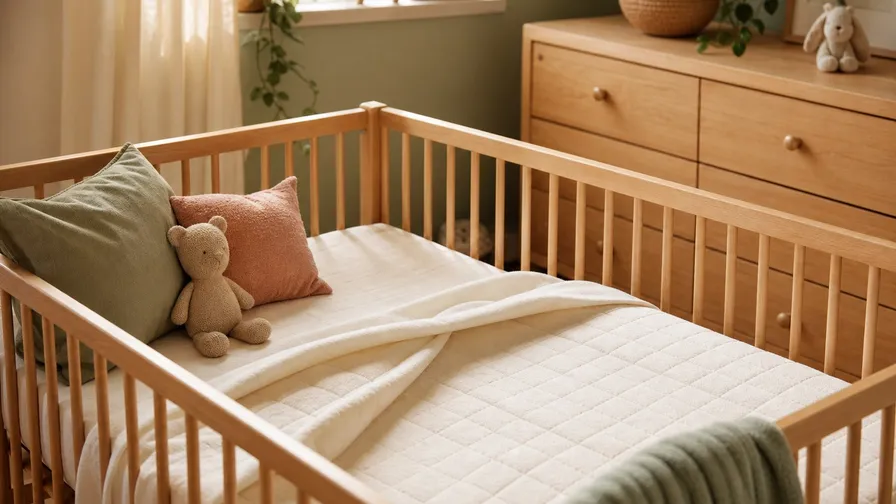
A crib mattress is one of the few nursery items your baby spends the most hours of the day in direct contact with, which is why a lot of parents look more closely at what it’s made of. The tricky part is that “non-toxic” isn’t a regulated term — anyone can put it on a label. What’s actually useful is knowing which independent certifications exist and what they verify.
Certifications worth knowing
- GREENGUARD Gold — verifies low chemical emissions from the finished product, tested by an independent lab against strict limits.
- GOTS (Global Organic Textile Standard) — verifies that cotton or other fibers were grown organically and processed without a restricted list of chemicals.
- GOLS (Global Organic Latex Standard) — the equivalent standard for organic latex foam.
None of these certifications are a claim about health outcomes — they’re about material sourcing and manufacturing process, which is a more concrete thing to shop for than a vague “toxin-free” label.
Materials to look at
Crib mattresses are generally either innerspring, foam, or a breathable/washable hybrid core, wrapped in a cover that’s often the part marketed as “organic” or “natural.” Look at the cover material (organic cotton is common and verifiable via GOTS) and, separately, at the core material and any relevant certification for it.
Two options that cover different priorities
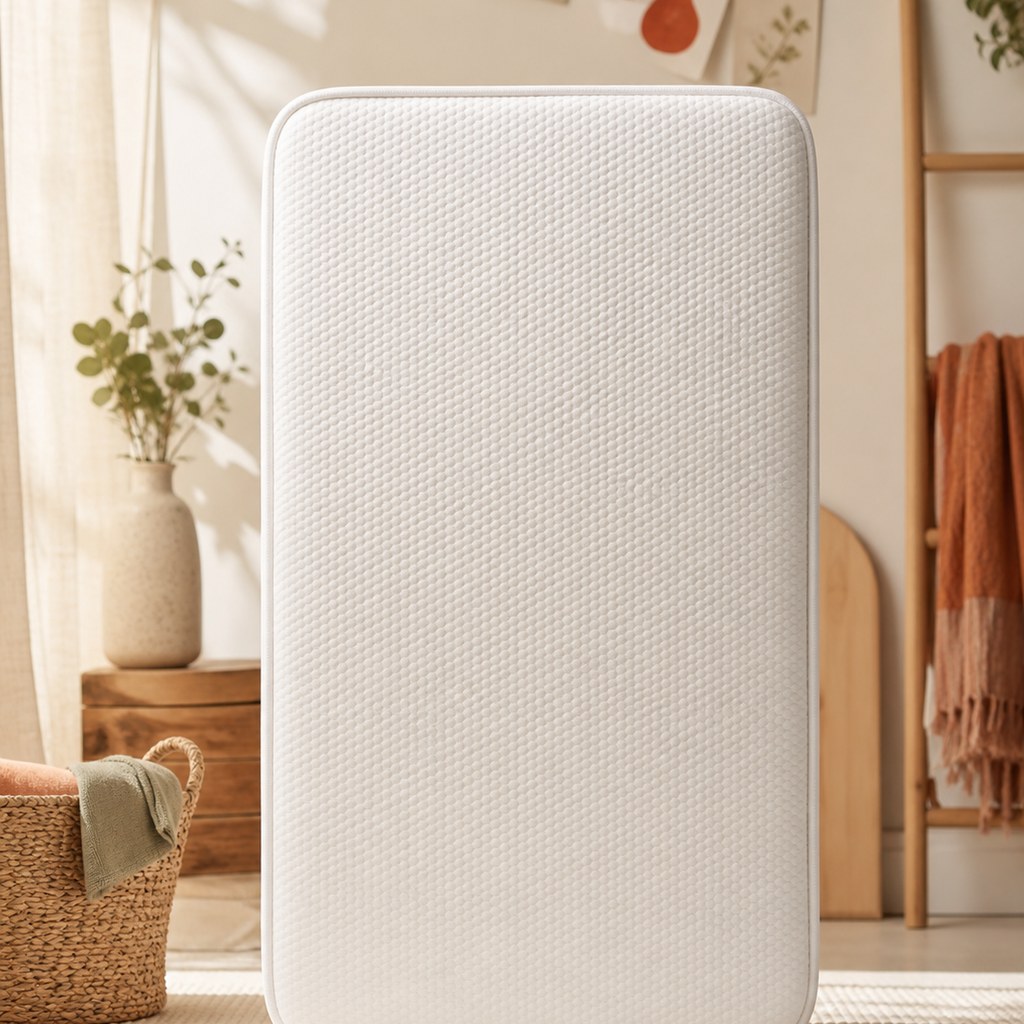
#1. Newton Baby Crib Mattress
$220–$280
Pros
- Breathable, washable core — the whole mattress can go in a standard shower for cleaning
- GREENGUARD Gold certified for low chemical emissions
Cons
- Firmer than some traditional foam mattresses, which takes adjustment for some parents
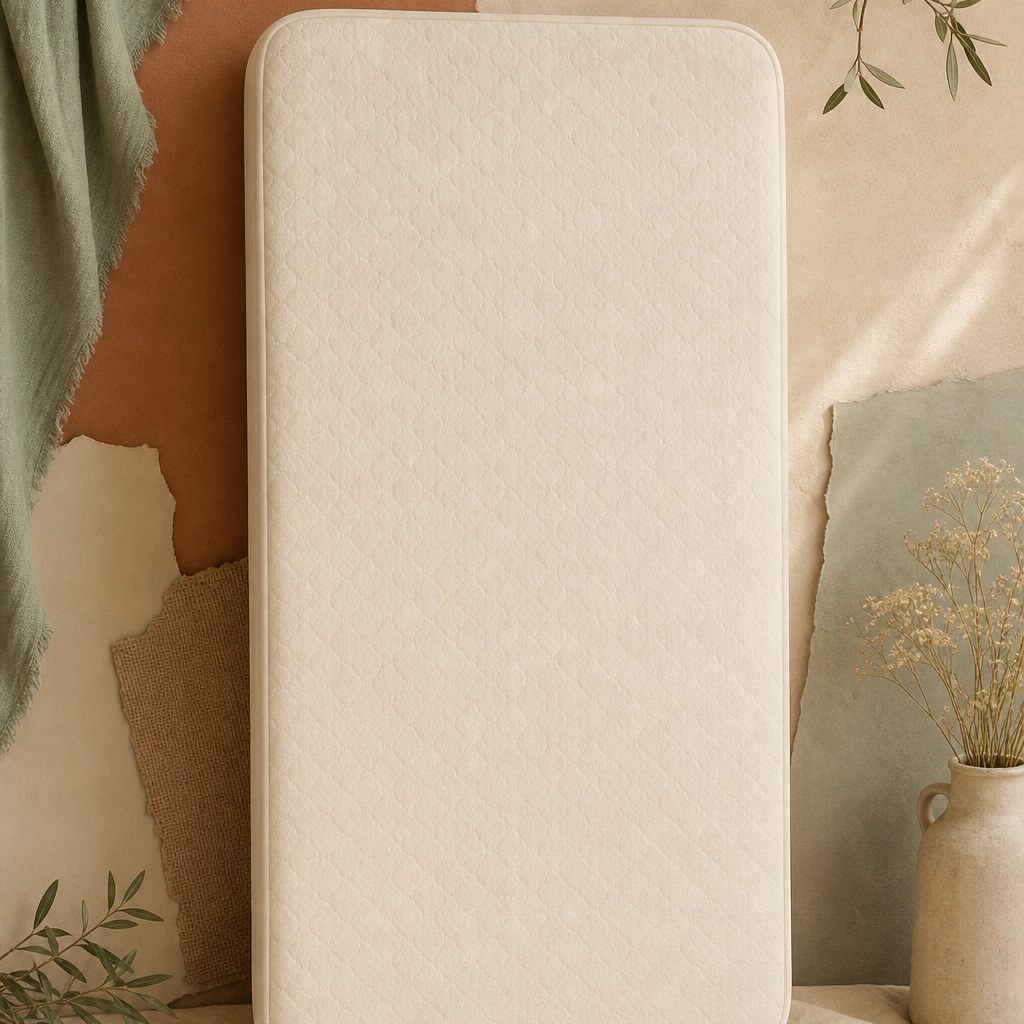
#2. Naturepedic Organic Crib Mattress
$250–$350
Pros
- GOTS-certified organic cotton cover and GOLS-certified organic latex core options
- Waterproof surface without vinyl or phthalates
Cons
- Higher price point than most conventional foam mattresses
Fit and firmness still matter most
Whatever mattress you choose, make sure it fits your specific crib snugly with no gaps, and that it meets current firm-sleep-surface guidance for infants. Material certifications are a good second-order filter once you’ve confirmed fit and firmness — not a replacement for them.
Frequently asked questions
Does a crib mattress need to be 'organic' to be safe?+
No — safety standards for crib mattresses (firmness, fit, flammability) apply regardless of whether the materials are organic. Organic materials and certifications are about what the mattress is made from and how it's processed, which is a separate consideration from basic safety compliance.
What certifications are actually worth looking for?+
GREENGUARD Gold (low chemical emissions), GOTS (organic cotton textiles), and GOLS (organic latex) are independently verified certifications with public standards. They're a more reliable signal than a package simply saying 'non-toxic' or 'natural.'
Does mattress firmness matter?+
Yes — pediatric guidance calls for a firm, flat sleep surface for infants. Firmness is a safety consideration independent of the mattress's material composition, so check that any mattress you choose meets current firm-sleep-surface guidance regardless of what it's made from.
The Hippie Mom Blog Team
We research every product roundup against published certifications and specs, not marketing copy. Read more abouthow we choose products.
Related articles
Best Glass Baby Bottles in 2026
Three glass baby bottles worth considering, with real trade-offs on weight, durability, and daycare practicality.
Best Organic Cotton Swaddle Blankets in 2026
Three organic cotton swaddle blankets worth the extra cost, and what actually sets them apart beyond the fabric label.
Wooden vs. Plastic Baby Toys: Which Should You Buy?
A grounded comparison of wooden and plastic baby toys — durability, cost, and what actually differs beyond the material.