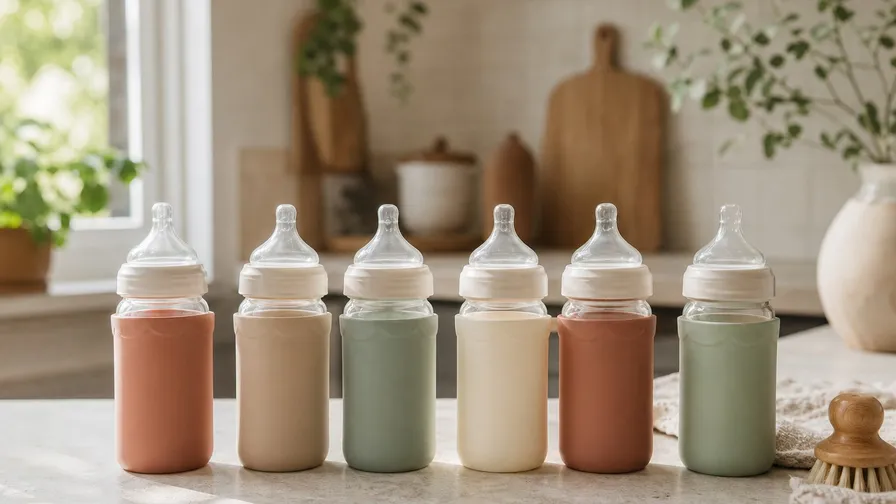
Best Glass Baby Bottles in 2026
Compare glass baby bottles by weight, sleeves, nipple and pump compatibility, replacement parts, cleaning, temperature handling, and daycare practicality.
Updated August 1, 2026

Affiliate disclosure: This post contains Amazon affiliate links. If you buy through them, we may earn a commission at no extra cost to you. See our full disclosure policy.
Glass baby bottles are a straightforward swap for parents who want to avoid the question of plastic entirely, without needing any special claims to back it up — it’s simply a different material with its own trade-offs in weight and breakage risk.
How to compare glass baby bottles
The glass itself is only one part of the system. A bottle also includes the nipple, collar, cap, vent pieces, sleeve, and any adapters needed for a pump. A well-known bottle can still be a poor fit if replacement nipples are hard to find locally or the vent adds more washing than your routine can handle.
We focused on practical differences a parent can verify: bottle weight, sleeve design, number of parts, replacement-part availability, common sizes, and whether the listing clearly explains cleaning and temperature handling. We did not rank bottles by medical outcomes or promise that one design will work for every baby.
Weight and grip
Glass bottles are heavier than plastic. The difference is most noticeable with larger bottles, during night feeds, and when an older baby starts holding the bottle. A textured silicone sleeve can improve grip and soften small bumps, but it also adds another surface to remove or inspect during cleaning.
Try one or two bottles before buying a complete set. The shape that feels comfortable in one hand may matter more than a bundle discount.
Protective sleeves and breakage
A sleeve reduces direct impact and can contain some fragments if glass breaks, but it does not make a bottle unbreakable. Inspect the rim and base for chips or cracks after a hard drop. Replace damaged glass rather than continuing to use it under a sleeve.
Check whether the sleeve can stay on for washing and whether trapped water is easy to see. A sleeve that is difficult to remove may hide milk residue or moisture around the base.
Nipple and vent compatibility
Nipple preference is individual, so bottle-system flexibility matters. Check available flow rates, whether nipples are sold locally, and how clearly the flow stage is marked. Do not move to a faster flow solely because of the age printed on a package; follow feeding cues and professional guidance when needed.
Vented designs add pieces. That can be worthwhile for families who specifically want that feeding system, but the parts need to be cleaned and assembled correctly. A simpler bottle is easier to wash and may be the better starting point if no special vent feature is needed.
Pump compatibility
If expressed milk will go directly into the bottle, check the pump flange connector and thread pattern before buying a set. An adapter can solve a mismatch, but adapters add parts and can be forgotten during travel.
Also check storage compatibility. A bottle that attaches to the pump may still be awkward for freezing or stacking in the refrigerator. Some families pump into one container and feed from another; others prefer one system from start to finish.
Cleaning and sterilizing
Follow the bottle maker’s instructions for dishwasher placement, boiling, steam sterilizing, and cooling. Sudden temperature changes can stress glass. Avoid moving a very cold bottle directly into boiling water unless the manufacturer says the product is designed for that transition.
A repeatable routine:
- Separate the nipple, collar, vent, cap, and sleeve.
- Rinse milk residue before it dries.
- Wash with a dedicated bottle brush or in the dishwasher as directed.
- Let every piece dry completely on an open rack.
- Inspect the glass in bright light before reassembly.
Daycare and travel practicality
Ask the daycare before buying. Some programs do not allow glass; others accept sleeved bottles. Confirm labeling rules and whether staff remove sleeves during warming or inspection.
For travel, use a padded bottle bag and avoid loose glass bottles rolling against each other. Pack a spare feeding option if a bottle breaks away from home.
How many bottles to buy first
Start small. Two or three bottles are enough to test the shape, nipple system, pump connection, and cleaning routine. A large registry set is only a bargain if the bottle works for the family.
Once the system is working, add enough bottles to cover the normal washing schedule. Buy replacement nipples and one spare collar before buying decorative accessories.
Quick comparison
| Product | Price | Best for | Link |
|---|---|---|---|
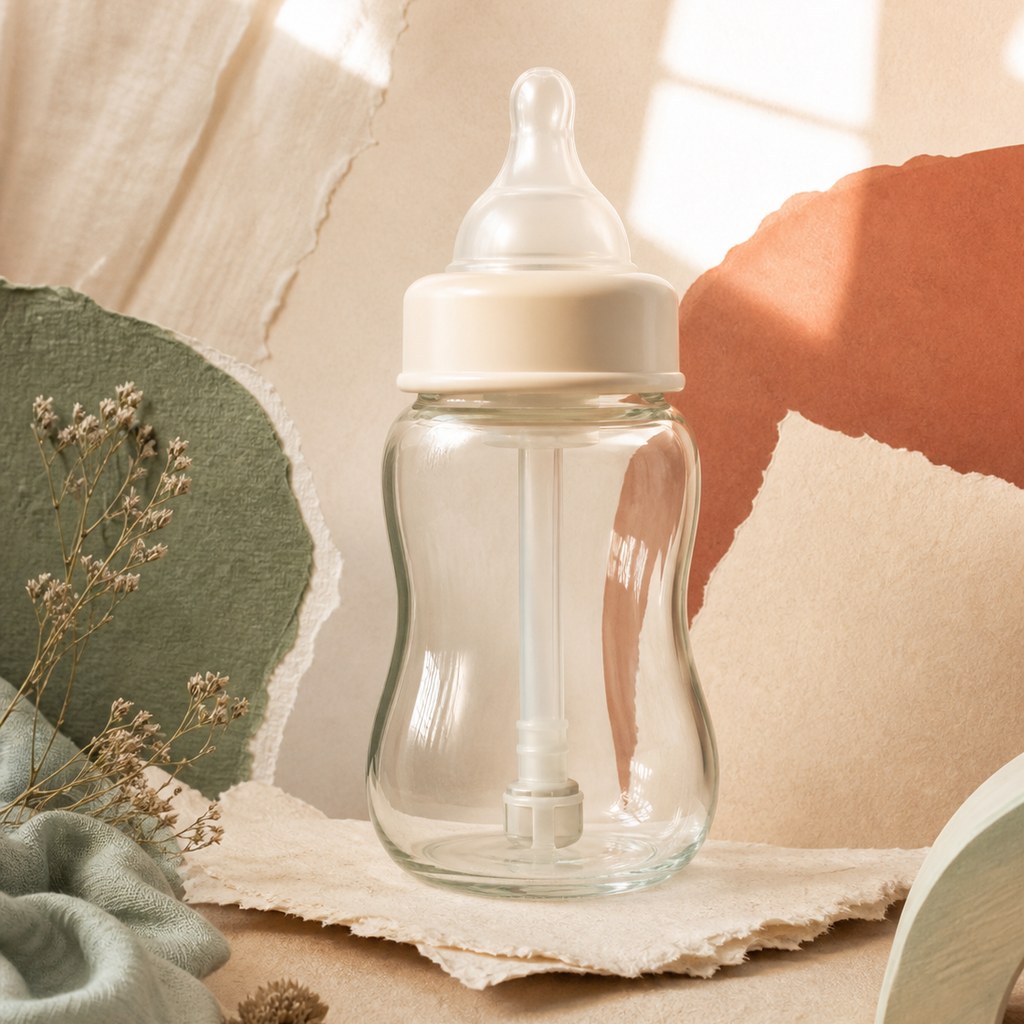
1. Dr. Brown's Glass Options+ Bottles | $30–$40 (3-pack) | Internal vent system is designed to reduce air intake during feeding | View |
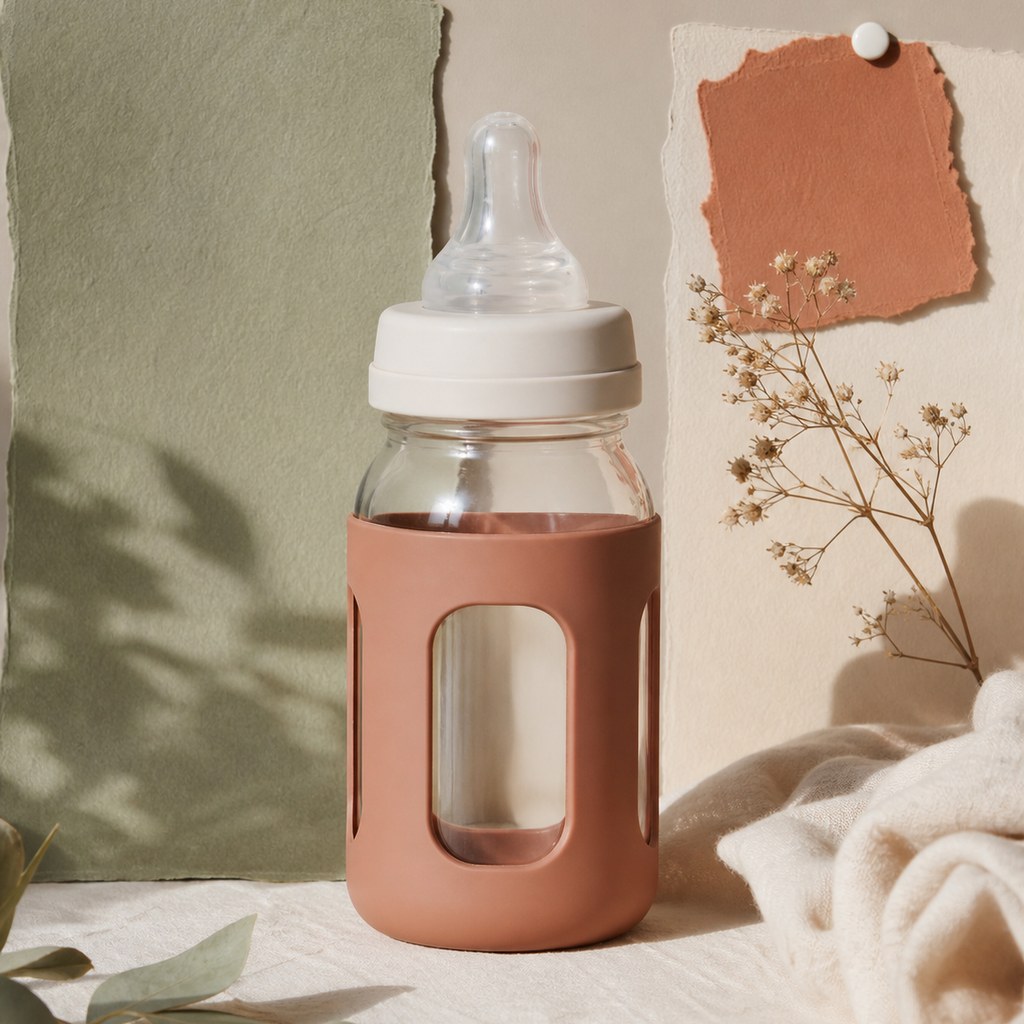
2. Lifefactory Glass Baby Bottles | $18–$25 each | Silicone sleeve protects against drops and adds grip | View |
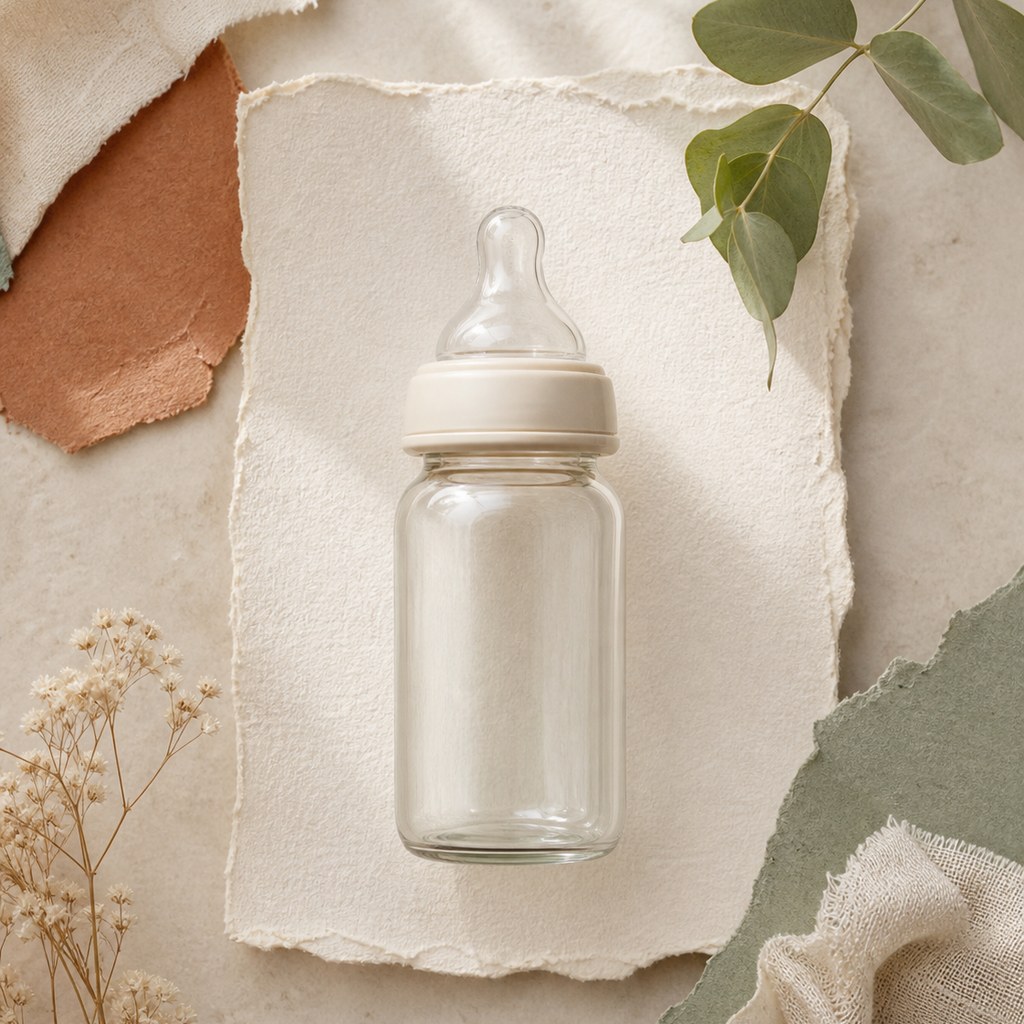
3. Evenflo Glass Bottles | $15–$22 (3-pack) | Lowest cost per bottle of the three | View |
1. Dr. Brown’s Glass Options+ Bottles

#1. Dr. Brown's Glass Options+ Bottles
$30–$40 (3-pack)
Pros
- Internal vent system is designed to reduce air intake during feeding
- Widely stocked, so replacement parts are easy to find
Cons
- More parts to wash and reassemble than a simple bottle
2. Lifefactory Glass Baby Bottles

#2. Lifefactory Glass Baby Bottles
$18–$25 each
Pros
- Silicone sleeve protects against drops and adds grip
- Simple design with fewer parts to clean
Cons
- Sold individually rather than in multi-packs, so building a full set costs more upfront
3. Evenflo Glass Bottles

#3. Evenflo Glass Bottles
$15–$22 (3-pack)
Pros
- Lowest cost per bottle of the three
- Straightforward design, dishwasher safe
Cons
- No protective sleeve, so more prone to chipping if dropped on hard floors
Which one to pick
If you want the simplest bottle to clean and reassemble, Lifefactory’s sleeve-protected design is the easiest to live with day to day. If cost matters most and you’re comfortable with the breakage risk, Evenflo is the most budget-friendly option. Dr. Brown’s is worth the extra cleaning steps if you specifically want a vented bottle design.
Frequently asked questions
Are glass bottles actually better than plastic ones?+
Glass avoids plastic entirely and tends to hold up better to heat from sterilizing or the dishwasher over time. The trade-off is weight and breakage risk, which is why most glass bottles are sold with or paired with a protective silicone sleeve.
Are glass bottles daycare-friendly?+
Check your specific daycare's policy — some daycares restrict glass bottles due to breakage risk around other children. If that's a concern, a silicone-sleeved option like Lifefactory adds a layer of protection that some daycares accept where bare glass isn't allowed.
The Hippie Mom Blog Team
We research every product roundup against published certifications and specs, not marketing copy. Read more about how we choose products.
Related articles
Convertible Baby Gear: What Is Actually Worth Buying?
A practical guide to convertible cribs, dresser-changing stations, high chairs, strollers, and when a multi-stage product saves money—or adds clutter.

Nursery Drawer Organization That Survives the First Year
A practical nursery dresser setup using simple zones, drawer dividers, size rotation, refill limits, and storage that changes as your baby grows.

Baby Hair Products: What's Actually Useful and What to Skip
A practical guide to baby hair care basics — shampoo, detangler, and soft brushes — without medical or scalp-condition claims.