Baby Skincare Products: What New Parents Actually Need
A minimalist baby skincare routine guide covering wash, moisturizer, and diaper cream, without medical or dermatology claims.
Updated July 23, 2026
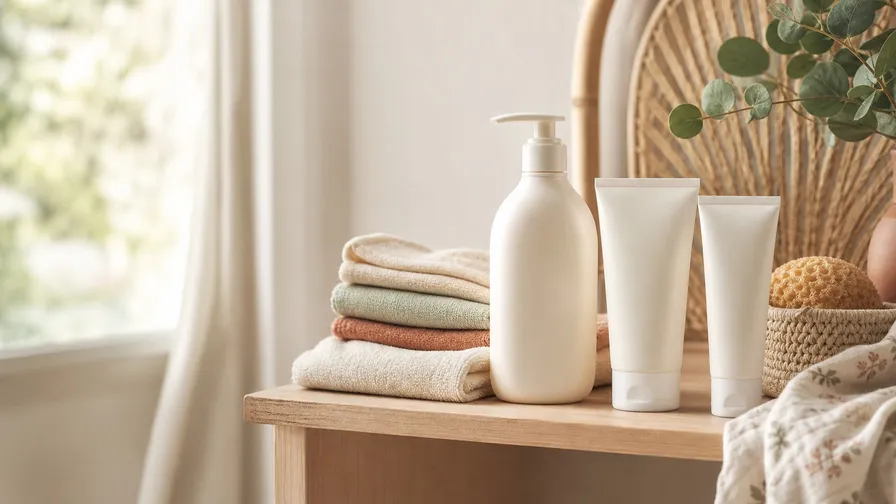
Baby skincare products is the kind of purchase or setup that looks simple until you start comparing real options. The useful choice is rarely the trendiest one. It is the option that fits your space, cleans easily, lasts through normal family use, and does not create another pile of accessories to manage.
This guide keeps the decision practical. It explains what to check, what to skip at first, and where a low-waste or natural-leaning choice actually helps.
What this product needs to do
Before comparing brands, define the job. A good baby skincare products should solve a real routine problem without adding more work than it removes. For a nursery item, that usually means safety, fit, cleaning, and nighttime usability. For kitchen gear, it means easy washing, storage, and durability. For toys, it means age fit, repeat play, and simple storage.
If a product only looks cute online but is awkward to clean, hard to store, or useful for a very short stage, it belongs lower on the list.
Buying criteria that matter
- Simple routine: Wash, moisturizer if needed, and diaper cream cover most basics
- Specific labels: Fragrance-free and dye-free are more useful than clean
- Medical boundary: Persistent skin issues need pediatric guidance
These checks are more useful than vague claims like premium, clean, safe, or natural. Those words can be fine on a product page, but they should lead to specifics you can verify.
Helpful search links
These are broad comparison links rather than fake one-product endorsements. Use them to compare materials, dimensions, cleaning instructions, and review patterns before choosing.
- fragrance free baby wash lotion
- baby diaper cream fragrance free
- baby skincare basics sensitive skin
What to avoid
- Avoid building a long skincare routine before the baby arrives.
- Do not treat hypoallergenic as a guarantee.
- Be careful with essential oils and strong botanical extracts.
A good rule is to avoid products that promise to solve parenting itself. Baby and toddler gear can make routines smoother, but it cannot remove the normal trial-and-error stage.
How to make it work at home
- Keep bath products minimal for the first weeks.
- Use one moisturizer at a time so reactions are easier to notice.
- Store diaper cream where changes actually happen.
This is where many guides stop too early. The product is only useful if it has a place to live, a cleaning routine, and a realistic role in the day.
Natural-leaning and low-waste notes
The lowest-waste choice is often the product you will use longest. Look for durable materials, replacement parts, washable surfaces, and designs that can be passed down or resold. Natural materials can be worth it when they improve durability, breathability, or cleanability, but they are not automatically better for every job.
For plastics, check whether the product is easy to inspect and clean. For fabric, look for specific fibers and care instructions. For wood, look for a named finish and age-appropriate construction. For silicone, check food-grade language when it touches food.
Related guides
Before you add it to the cart
Measure first, then compare. Most disappointing baby and family purchases fail because the product was too large, too hard to clean, or too specific for one short stage. Check the real dimensions, where it will dry or live, and whether replacement parts are easy to find.
Then compare reviews for the boring details: cracked lids, weak straps, mildew-prone seams, shrinking fabric, noisy parts, or pieces that disappear in the dishwasher. Those comments usually tell you more than polished product photos.
If you are still unsure, buy the smallest useful version first. A single well-chosen item is easier to upgrade later than a full set you have to store, clean, and regret.
Bottom line
Choose baby skincare products by function first: fit, cleaning, durability, storage, and stage of use. If the product makes a repeated routine easier and can survive normal family life, it is worth comparing. If it mainly adds clutter or depends on one perfect scenario, wait until you know you need it.
Frequently asked questions
Does my baby need a full skincare routine?+
Most babies need very little: a mild wash, a basic moisturizer if their skin is dry, and diaper cream as needed. Beyond that, check with your pediatrician before adding products for any specific skin concern.
The Hippie Mom Blog Team
We research every product roundup against published certifications and specs, not marketing copy. Read more about how we choose products.
Related articles
Baby Hair Products: What's Actually Useful and What to Skip
A practical guide to baby hair care basics — shampoo, detangler, and soft brushes — without medical or scalp-condition claims.
Baby Products for Sensitive Skin: What to Check
A practical guide to choosing baby products for sensitive skin without making medical claims or overbuying skincare products.
Baby Proofing Basics: A Room-by-Room Checklist
A practical, room-by-room baby proofing checklist covering furniture anchoring, outlets, and common household hazards.