Clean Baby Products: What the Label Means
A plain-English guide to clean baby product marketing, which claims are checkable, and what parents should look for instead.
Updated July 23, 2026
Affiliate disclosure: This post contains Amazon affiliate links. If you buy through them, we may earn a commission at no extra cost to you. See our full disclosure policy.
“Clean baby products” sounds reassuring, but it does not have one standard meaning. On one package it may refer to fragrance. On another it may refer to plant-based ingredients, fabric, packaging, or a brand’s private “no list.” That makes it easy to compare products by mood instead of facts.
A better approach is to separate marketing language from claims you can check. You do not need to reject every product that uses the word clean. You just should not treat that word as proof.
What clean usually means
In baby products, “clean” often points to one of four things: fragrance choices, ingredient exclusions, material choices, or packaging. Those are different claims. A clean-labeled baby wash is not the same kind of product as a clean-labeled crib mattress or feeding spoon.
Before you buy, ask what the brand is actually claiming. If the answer is only “better” or “safer” without details, the label is not doing much work.
Claims that are more useful
Fragrance-free and dye-free are useful because you can check the ingredient list. GOTS, OEKO-TEX Standard 100, GREENGUARD Gold, and GOLS are useful because they point to published standards. Food-grade silicone, glass, stainless steel, and organic cotton are useful because they name the material.
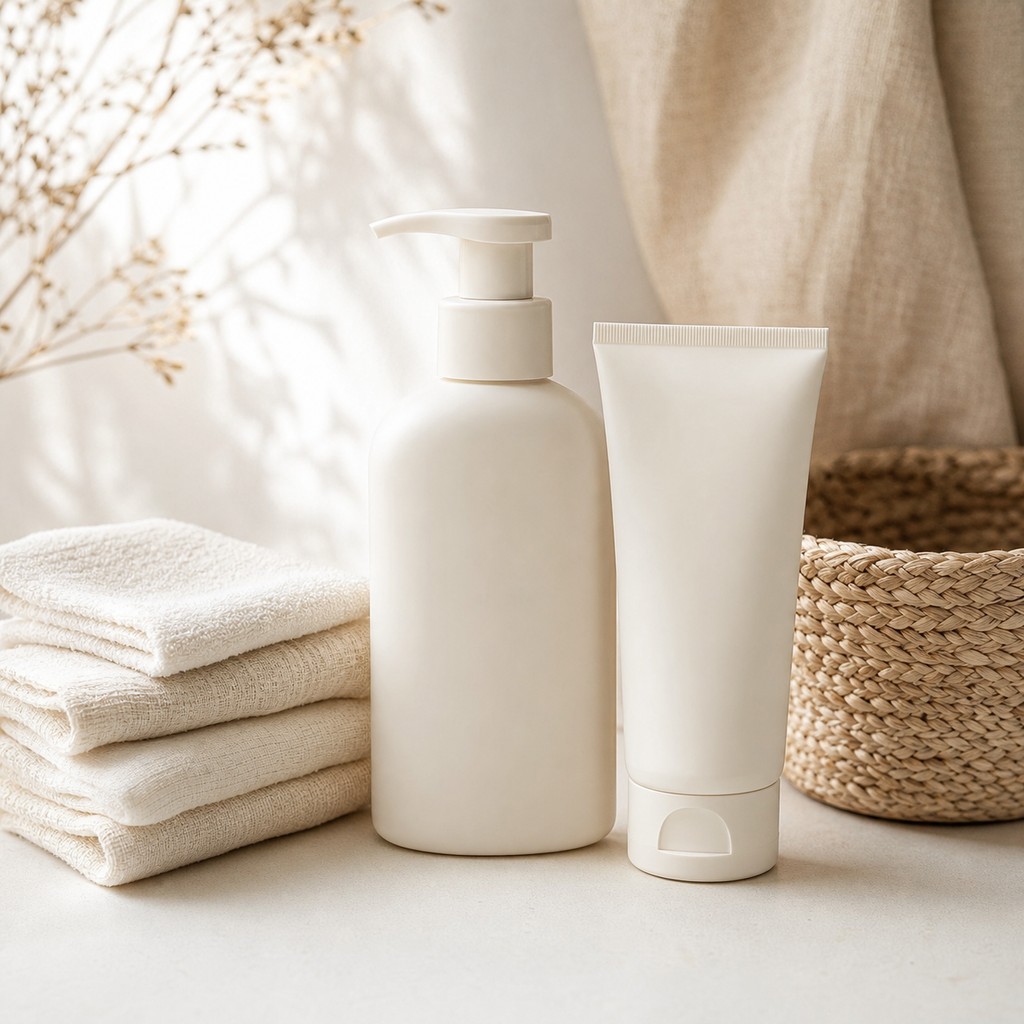
#1. Fragrance-Free Baby Skincare Basics
Pros
- Fragrance-free is a specific label claim
- Simple routine helps avoid overbuying
Cons
- Still requires ingredient review
- Skin issues need professional guidance
The strongest labels connect the front-of-package claim to the ingredient list or certification. The weakest labels stay vague and make you feel like you are choosing between good-parent and bad-parent options.
Clean skincare and bath products
For baby wash, lotion, and diaper-area products, keep the routine simple. Many families only need a gentle wash, a moisturizer if skin seems dry, and diaper cream when needed. Avoid building a long shelf of products before you know what your baby’s skin tolerates.
If your baby has persistent rash, eczema, broken skin, or reactions, that is a pediatrician question. A blog post and an Amazon search should not replace medical advice.
Clean feeding products
For feeding gear, material matters more than label mood. Glass bottles, stainless steel snack containers, and food-grade silicone bibs or plates are specific choices you can compare.
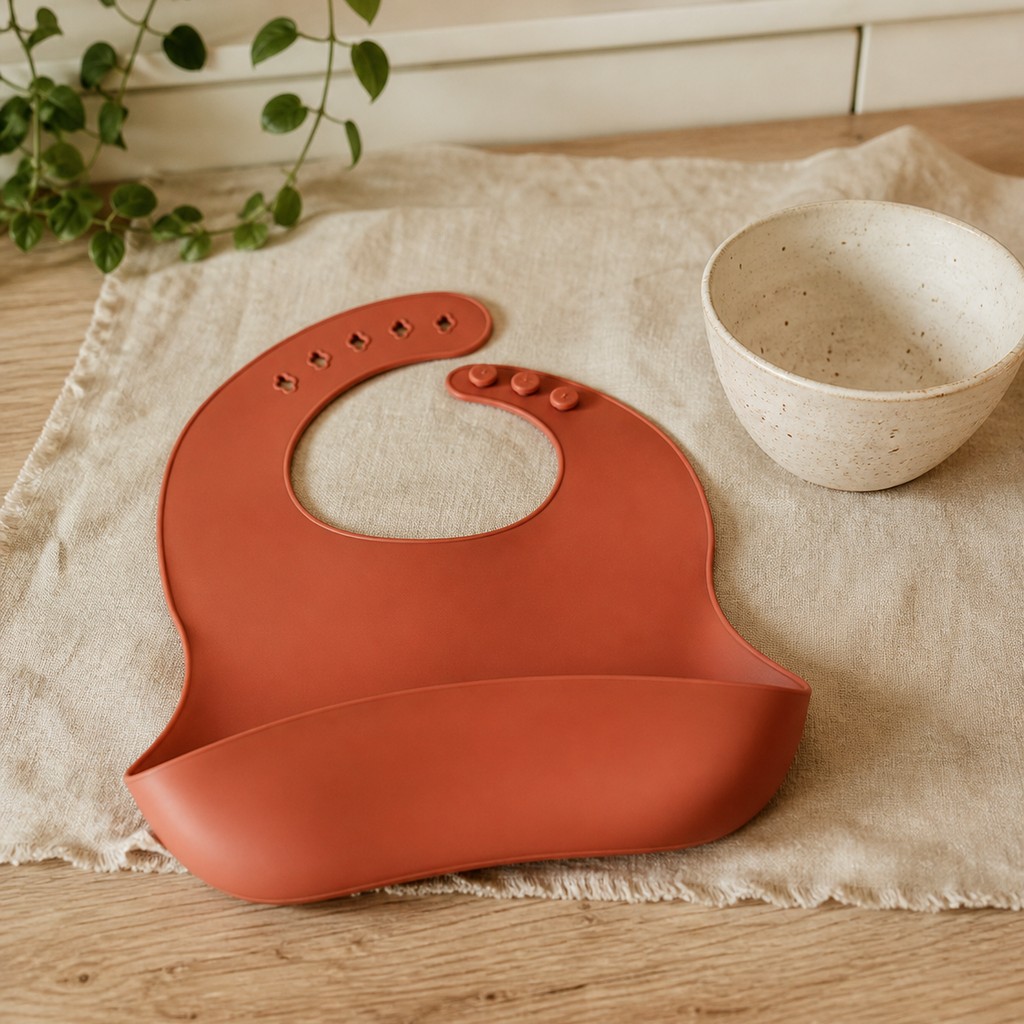
#2. Food-Grade Silicone Baby Bib
Pros
- Specific material claim
- Easy to wipe down after meals
Cons
- Can hold soap smell
- Some babies dislike the neck feel
That does not mean plastic is automatically bad or silicone is automatically best. It means the material gives you something concrete to evaluate: heat tolerance, dishwasher safety, odor retention, weight, breakage risk, and replacement parts.
Red flags in clean-product marketing
Be careful with products that lean on fear instead of specifics. Phrases that imply every conventional option is dangerous are not helpful. Also be careful with long exclusion lists that do not explain what the product actually contains.
A good product page should tell you what it is made of, how to clean it, what standards it meets, and what age or use case it is designed for.
How to compare two clean-labeled products
Put the marketing aside and compare the same details for both products: ingredient list, material, certification, age range, cleaning instructions, and return policy. If one product gives specifics and the other relies on a prettier label, the specific product is easier to evaluate.
This is especially useful for baby skincare, feeding gear, and laundry products. A short ingredient list is not automatically better, but it is easier to review. A product that names fragrance-free, dye-free, or food-grade silicone gives you a more concrete starting point than a product that only says clean.
What not to pay extra for
Do not pay more just for beige packaging, influencer language, or a long “made without” list that avoids naming what is actually in the product. Also be careful with bundles. A clean-labeled bundle can still include items you do not need.
Spend the extra money only when the product solves a real problem: better fit, easier cleaning, stronger durability, a useful certification, or fewer products needed overall.
A practical store test
When you are standing in front of a shelf, compare the back labels, not the front designs. The product with clearer ingredients, clearer use instructions, and a specific claim is usually easier to judge than the product with the calmest branding.
Bottom line
Clean baby products are worth comparing only when the label leads to checkable details. Look for specific material names, excluded ingredients, and independent certifications. If a product only gives you a soothing word and no facts, keep looking.
Frequently asked questions
Does clean mean safer for baby products?+
Not automatically. Clean is usually a marketing term. Specific claims like fragrance-free, dye-free, GOTS, OEKO-TEX, or GREENGUARD Gold are more useful.
What clean baby product claims should I trust?+
Trust claims that name a material, excluded ingredient, or independent certification. Treat broad claims as a prompt to read the details.
The Hippie Mom Blog Team
We research every product roundup against published certifications and specs, not marketing copy. Read more about how we choose products.
Related articles
Baby Hair Products: What's Actually Useful and What to Skip
A practical guide to baby hair care basics — shampoo, detangler, and soft brushes — without medical or scalp-condition claims.
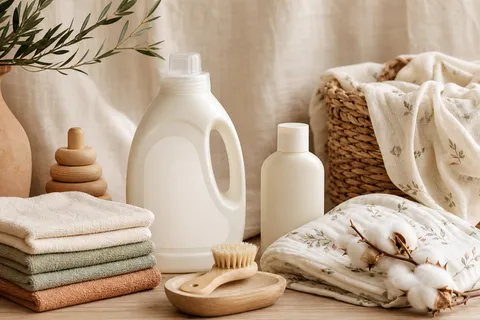
Baby Products for Sensitive Skin: What to Check
A practical guide to choosing baby products for sensitive skin without making medical claims or overbuying skincare products.
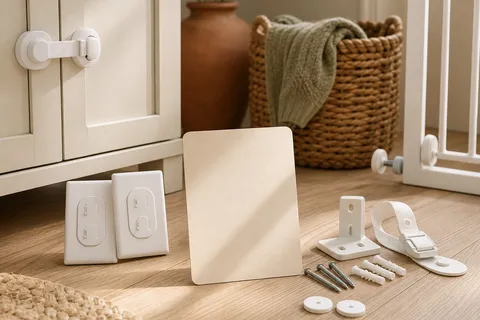
Baby Proofing Basics: A Room-by-Room Checklist
A practical, room-by-room baby proofing checklist covering furniture anchoring, outlets, and common household hazards.