Baby Products for Sensitive Skin: What to Check
A practical guide to choosing baby products for sensitive skin without making medical claims or overbuying skincare products.
Updated July 23, 2026
Affiliate disclosure: This post contains Amazon affiliate links. If you buy through them, we may earn a commission at no extra cost to you. See our full disclosure policy.
Shopping for baby products for sensitive skin can get confusing fast. Brands use soothing colors, “gentle” language, and long lists of excluded ingredients, but the most useful first step is simpler: reduce fragrance, dye, and unnecessary product layers.
This guide is about product selection, not diagnosis. If your baby has persistent rash, eczema, swelling, broken skin, or signs of discomfort, check with a pediatrician. Product swaps can help some routines, but they are not medical care.
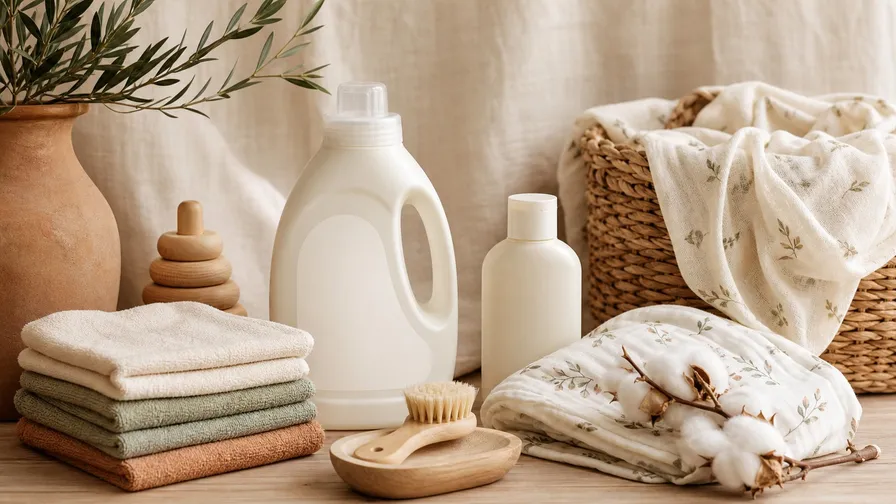
Start with laundry
Laundry touches almost everything: pajamas, swaddles, crib sheets, burp cloths, towels, and caregiver shirts. That makes detergent a logical place to start if you are trying to simplify exposure to scent and dye.
#1. Fragrance-Free Baby Laundry Detergent
Pros
- Laundry touches clothing, sheets, and swaddles
- Fragrance-free and dye-free claims are checkable
Cons
- Stain performance varies
- Cloth diaper compatibility needs separate checking
Look for fragrance-free and dye-free on the label, then read the ingredient list. “Free and clear” can be useful, but it is still packaging language unless the product clearly says what is excluded. If you use cloth diapers, check detergent guidance separately because absorbency and buildup matter.
Keep bath products minimal
A baby does not need a long skincare routine. A simple fragrance-free wash and a plain moisturizer are enough for many households. Add products only when there is a clear job for them.
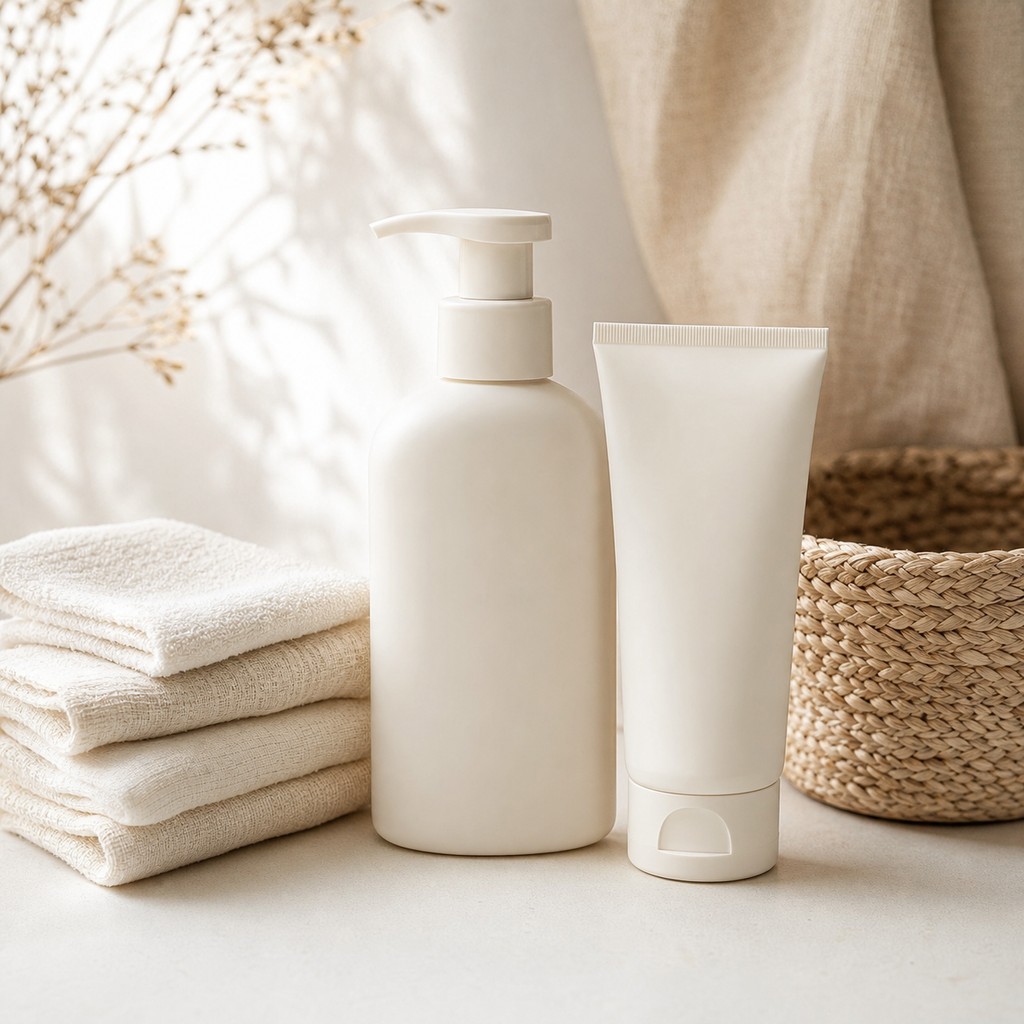
#2. Fragrance-Free Baby Wash and Lotion
Pros
- Fragrance-free is a specific claim to check
- Simple routine reduces product clutter
Cons
- Does not replace medical care for rashes
- Ingredient lists still vary
Avoid heavily scented products if sensitive skin is a concern. Also avoid switching several products at once, because it makes it harder to tell what helped or what irritated.
Choose soft fabrics that wash well
Swaddles, sheets, and clothing should feel soft, but durability matters too. Fabric that pills, traps detergent, or cannot handle frequent washing is frustrating during the newborn stage.
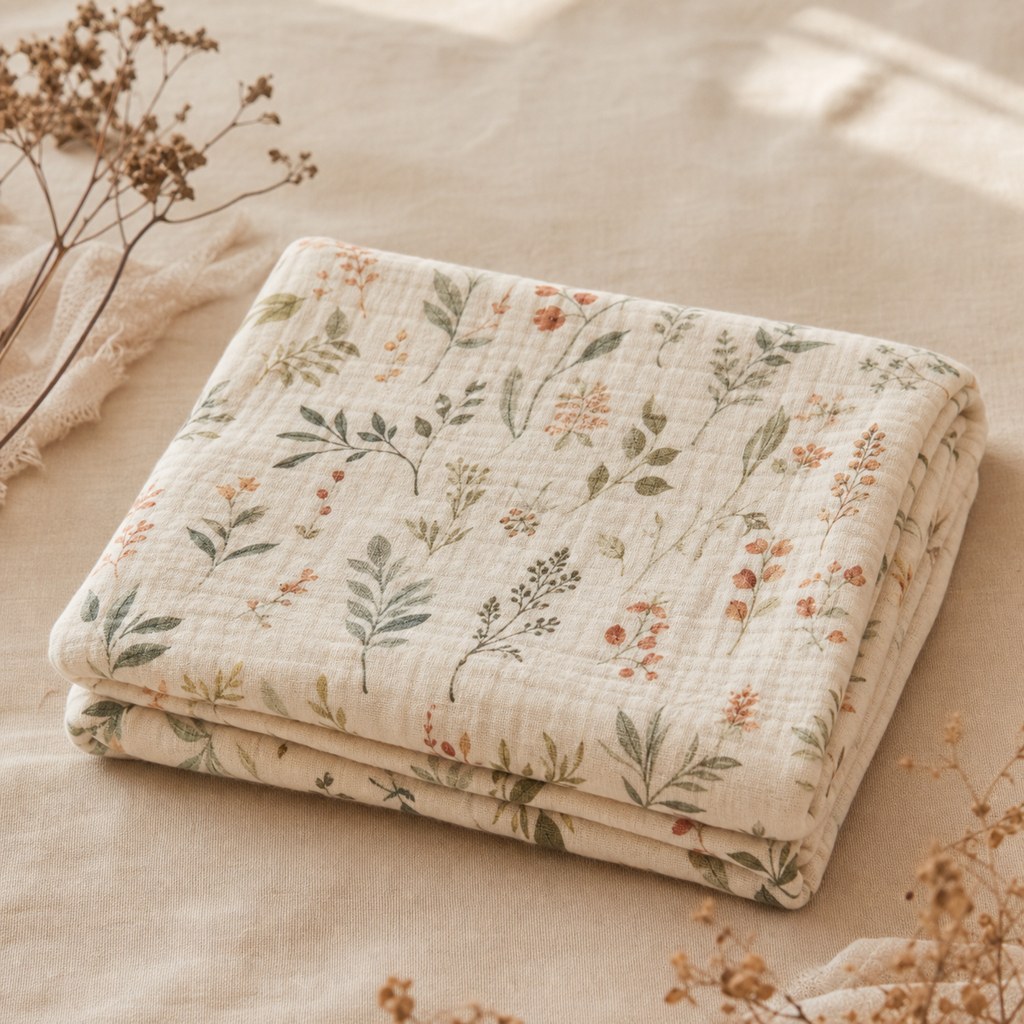
#3. Organic Cotton Swaddles
Pros
- Soft washable fabric basic
- Useful beyond swaddling
Cons
- Fabric preference varies
- Can shrink depending on care
For fabric labels, GOTS and OEKO-TEX Standard 100 are more useful than vague natural claims. They do not promise a skin outcome, but they do give you a clearer standard to compare.
Skip the giant baby skincare shelf
More products do not always mean a gentler routine. Before buying extra oils, balms, lotions, washes, and sprays, ask what job each product has. If two products do the same job, start with one.
Also be careful with essential oils and strong plant extracts in baby products. Natural does not automatically mean gentle for every baby.
Build the routine in layers
Start with the products that touch the most fabric and skin: detergent, sleepwear, sheets, swaddles, washcloths, and bath wash. Change one layer at a time so you can tell what is helping. If you replace detergent, lotion, wipes, and clothing all in the same week, it becomes much harder to spot the useful change.
Keep a small note on what changed and when. This does not need to be complicated. A date, product name, and short observation is enough if you later need to discuss the routine with a pediatrician.
Wipes, diapers, and diaper cream
Wipes and diapers are another place to keep the routine simple. Unscented wipes are a common first swap. For diaper cream, choose one basic product and use it according to the label instead of layering several creams and balms.
If irritation keeps returning, do not keep buying random products. Persistent diaper rash, cracked skin, or spreading redness needs professional guidance. The product goal is to reduce unnecessary variables, not troubleshoot a medical issue alone.
What to avoid at first
Avoid heavily scented bath products, fabric softeners, dryer sheets with added scent, and novelty skincare items. Also be careful with essential oils in baby products. A plant-based ingredient can still bother sensitive skin.
Keep the product list short
A short routine makes it easier to notice patterns. One detergent, one wash, one moisturizer if needed, and one diaper cream are easier to track than a rotating shelf of products. If you want to test a new item, use it long enough to learn something before swapping again.
Laundry details that help
Measure detergent carefully and avoid overfilling the washer. Too much detergent or crowded loads can leave residue in fabric, even when the product is fragrance-free. Extra rinsing can help some families, but the first step is usually using the right amount and washing baby fabrics with enough room to move.
Bottom line
For sensitive-skin routines, start with fragrance-free laundry, simple bath products, and soft washable fabrics. Keep the routine boring, change one product at a time, and involve a pediatrician when skin symptoms persist.
Frequently asked questions
What should I buy for a baby with sensitive skin?+
Start with fragrance-free laundry detergent, simple bath products, and soft washable fabrics. Ask a pediatrician about persistent rash, eczema, or broken skin.
Is hypoallergenic the same as fragrance-free?+
No. Fragrance-free is a more specific claim. Hypoallergenic is not a standardized guarantee.
The Hippie Mom Blog Team
We research every product roundup against published certifications and specs, not marketing copy. Read more about how we choose products.
Related articles
Baby Hair Products: What's Actually Useful and What to Skip
A practical guide to baby hair care basics — shampoo, detangler, and soft brushes — without medical or scalp-condition claims.
Baby Proofing Basics: A Room-by-Room Checklist
A practical, room-by-room baby proofing checklist covering furniture anchoring, outlets, and common household hazards.
Baby Skincare Products: What New Parents Actually Need
A minimalist baby skincare routine guide covering wash, moisturizer, and diaper cream, without medical or dermatology claims.