New Baby Essentials: What to Buy, Borrow, and Skip
A practical new baby essentials checklist that separates must-buy items from secondhand-friendly gear and wait-until-later products.
Updated July 23, 2026
Affiliate disclosure: This post contains Amazon affiliate links. If you buy through them, we may earn a commission at no extra cost to you. See our full disclosure policy.
A new baby essentials checklist should make the first month easier, not turn your house into storage. The cleanest way to plan is to sort items by risk and daily use: buy new when safety or hygiene history matters, borrow when condition is easy to inspect, and wait when the product depends on your baby’s preferences.
This list is intentionally plain. It covers what most families reach for in the first weeks and leaves space for your real routine to develop.
Buy new first
The car seat comes first. It is one of the only products you need before leaving the hospital or birth center, and unknown accident history makes secondhand seats risky unless you know the full source.
A crib mattress is another buy-new item for most families. Fit, firmness, and cleanliness matter, and a used mattress can have compression or wear you cannot fully see.
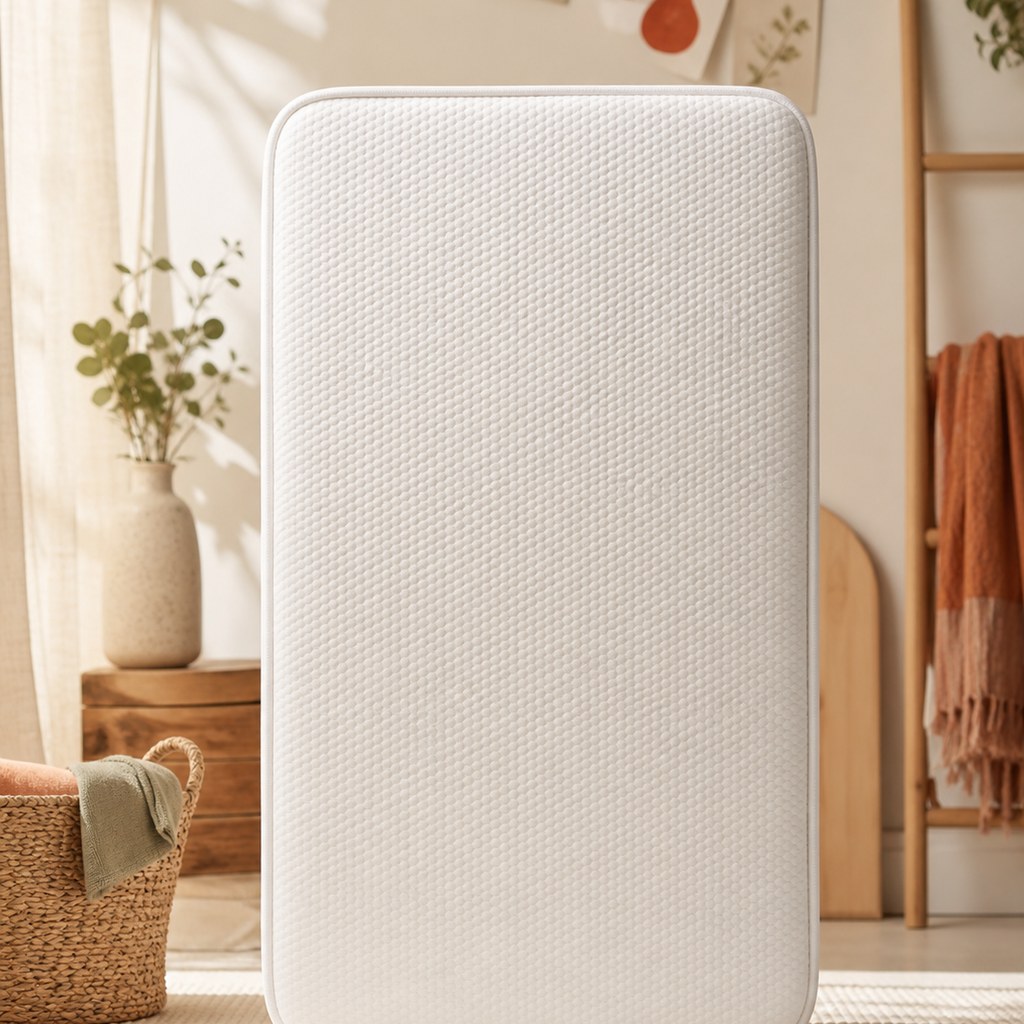
#1. Firm Crib Mattress
Pros
- Worth buying new for fit and hygiene
- Used every day from the start
Cons
- Higher upfront cost
- Must match your crib dimensions
Add two or three fitted crib sheets. That is enough to handle normal laundry rotation without filling a drawer with extras.
Buy a small feeding setup
Even if you plan to nurse, a few bottles can be useful for pumped milk, formula, or caregiver flexibility. Start small because babies can be picky about nipple shape and flow.
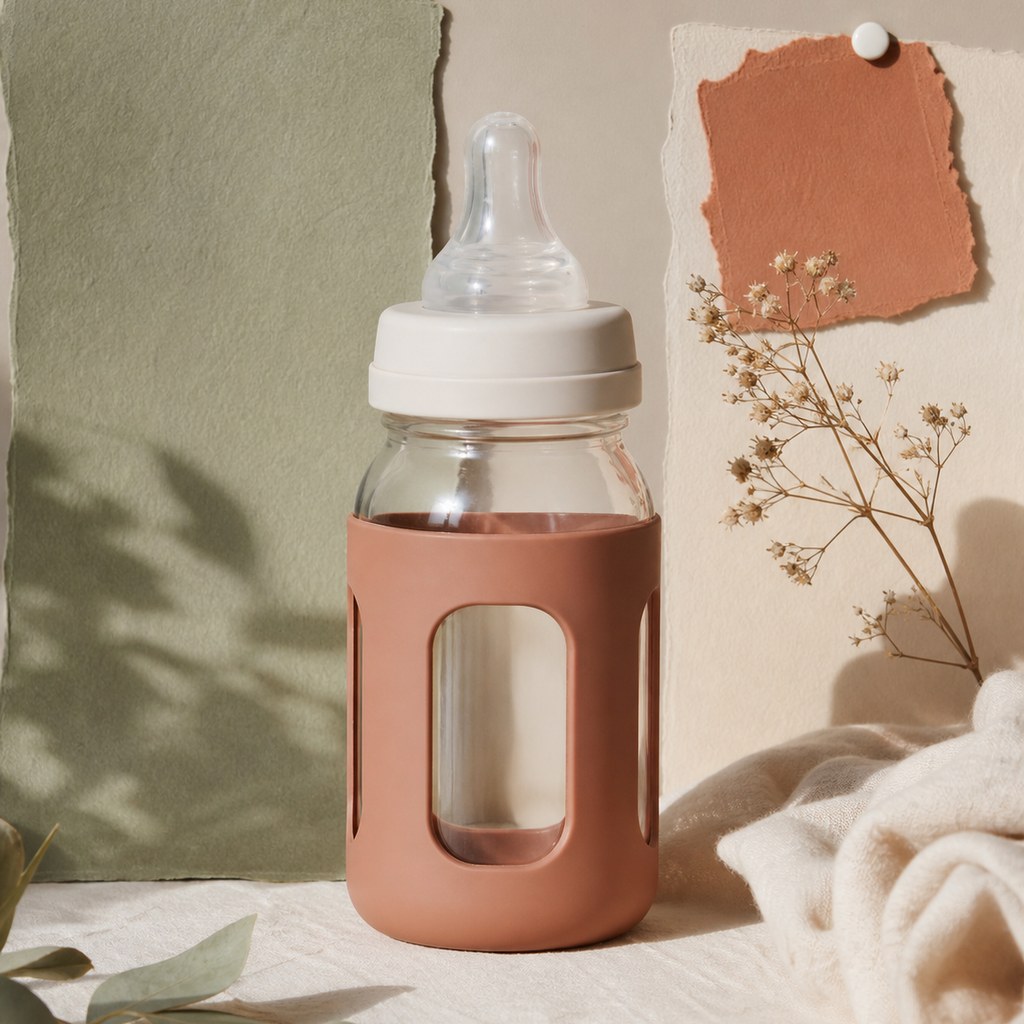
#2. Glass Baby Bottles
Pros
- Easy to clean and inspect
- Good small starter set item
Cons
- Heavier than plastic
- May need sleeves or replacement nipples
For later solids, do not buy a full toddler feeding set yet. A silicone bib, spoon, and one plate or bowl are enough when the time comes. You can compare materials in our silicone vs. plastic feeding set guide.
Keep fabric basics simple
Swaddles, burp cloths, and a few soft washcloths are more useful than decorative nursery textiles. Choose fabrics that can handle hot washes and frequent use.
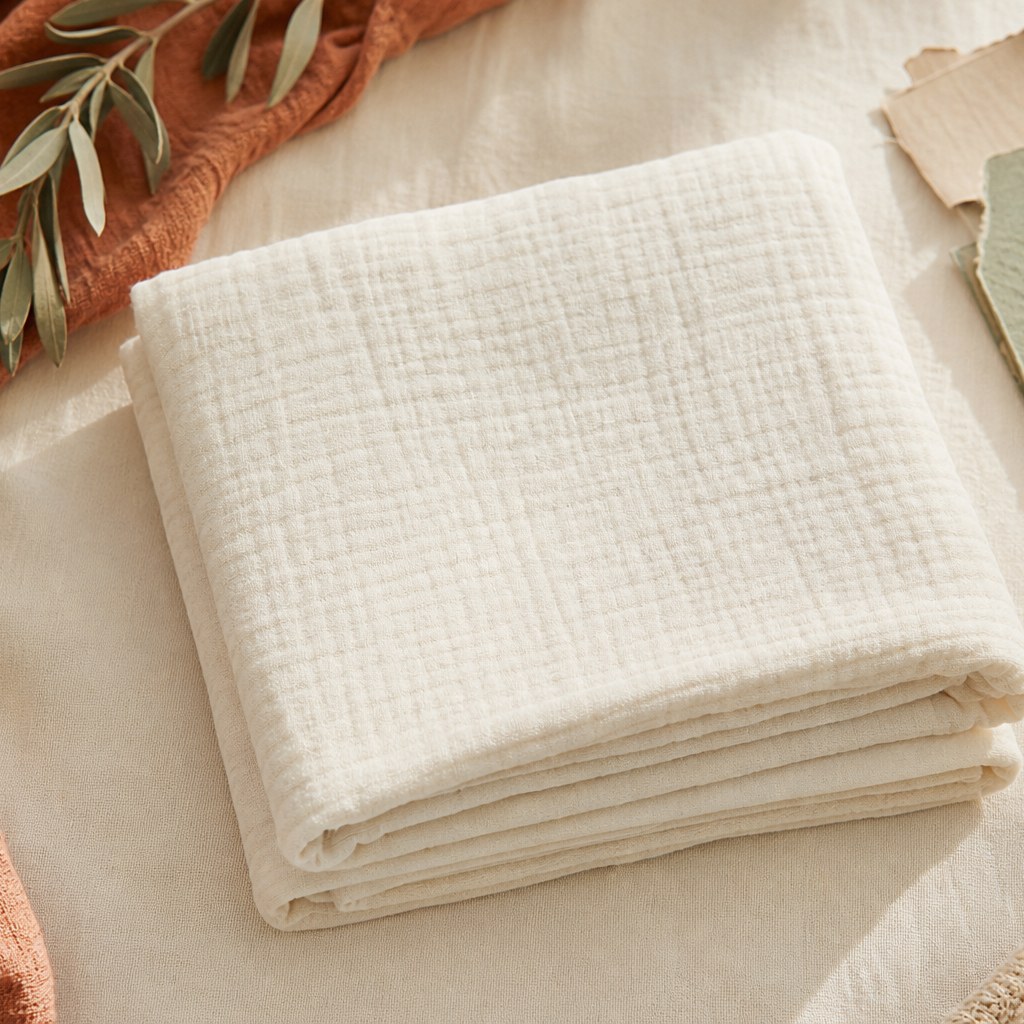
#3. Organic Cotton Swaddles
Pros
- Useful for several small jobs
- Easy to wash and rotate
Cons
- Not every baby likes swaddling
- Easy to overbuy
If you are unsure about swaddling, buy fewer. Some babies love it, some fight it, and many families move to sleep sacks quickly. Our swaddle transition guide explains what comes next.
Borrow or buy secondhand
Dressers, books, many toys, clothing, and some stroller models are good secondhand candidates. Check for recalls, loose parts, missing straps, peeling finish, mildew, and whether replacement parts are still available.
For a full checklist, use our secondhand baby gear guide. The short version: if a product’s safety depends on unseen history or exact fit, be cautious. If it is easy to inspect and clean, secondhand often makes sense.
Wait until later
Wait on bottle sterilizers, wipe warmers, swings, elaborate play gyms, and large feeding systems unless you already know you need them. Some of those products are useful in the right household, but they are poor universal essentials.
Waiting is not under-preparing. It is how you avoid buying around an imaginary routine instead of the baby in front of you.
The first-week drawer
Set up one small drawer or basket for the first week instead of unpacking everything at once. Keep diapers, wipes, two sleepers, two burp cloths, a swaddle, diaper cream if you use it, and a spare changing pad cover within reach. This keeps the early days practical and shows you what actually needs a permanent home.
Do the same with feeding supplies. Wash and stage a small bottle set, but do not open every bottle, pacifier, and pump accessory until you know you need it. Unopened extras are easier to return, donate, or exchange.
How many backups are enough
For most essentials, two or three is enough at the start. Two crib sheets, a few swaddles, and a small bottle rotation cover normal use while you learn your laundry rhythm. Buy more only when a real bottleneck appears.
The same rule applies to diapering. One diaper caddy may be useful if your home has more than one changing area. Three fully stocked stations are usually unnecessary unless your layout truly supports them.
One useful rule
If an item handles a daily need and has a clear place to live, it belongs on the early list. If it solves a maybe-problem, wait until that problem actually shows up. This keeps the first month focused on care instead of returns and storage.
Bottom line
New baby essentials are sleep, feeding, diapering, transport, and simple fabric basics. Buy new where history matters, borrow where condition is easy to check, and leave the rest for later.
Frequently asked questions
What should I buy before the baby arrives?+
Buy the safety and daily-care basics first: car seat, safe sleep surface, a few sheets, diapers, wipes, basic feeding supplies, and simple clothing. Everything else can wait until you know your routine.
What baby items are fine secondhand?+
Dressers, many toys, books, clothing, and some strollers can be secondhand if they are clean, complete, and not recalled. Avoid unknown-history car seats and crib mattresses.
The Hippie Mom Blog Team
We research every product roundup against published certifications and specs, not marketing copy. Read more about how we choose products.
Related articles
Best Baby Products for 2026: Practical Low-Waste Picks
A practical 2026 baby products roundup organized by real routines, low-waste swaps, and what new parents actually use.
New Mom Baby Products Worth Registering For
A practical guide to new mom baby products that support daily routines without turning the registry into clutter.
A Practical Guide to Buying Secondhand Baby Gear
A practical guide to buying secondhand baby gear, including what to check for safety recalls, what to avoid buying used, and what's usually fine.