Stainless Steel vs. Plastic Snack Containers
A realistic comparison of stainless steel and plastic snack containers for kids, including weight, leaks, cleaning, lunchboxes, and cost.
Updated July 13, 2026
Affiliate disclosure: This post contains Amazon affiliate links. If you buy through them, we may earn a commission at no extra cost to you. See our full disclosure policy.
Kids’ snack containers have to survive more than a product photo: backpack drops, half-eaten berries, car crumbs, daycare cubbies, and the dishwasher. Stainless steel and plastic both have a place. The better choice depends on what you pack and who has to carry it.
Quick answer
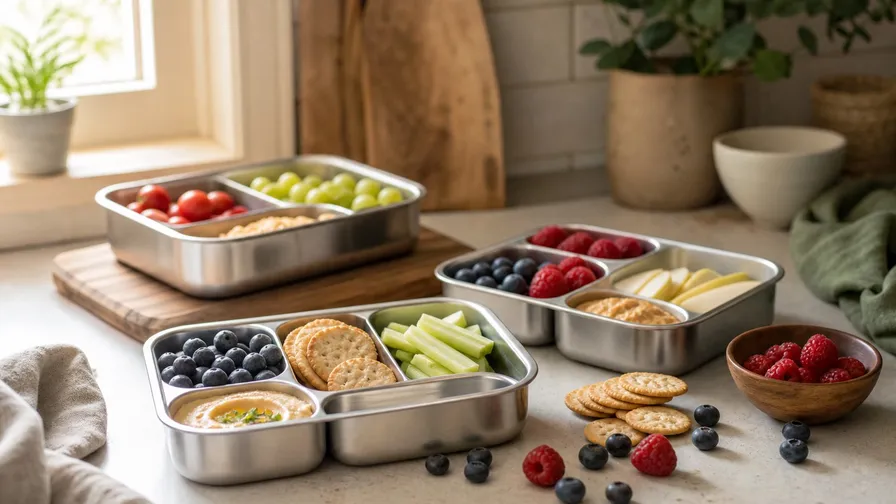
Choose stainless steel for sturdy dry snacks, sliced fruit, crackers, and lunchbox pieces that need to last. It is durable and usually easy to clean, but it can be heavier and is not microwave-friendly.
Choose plastic for lightweight backups, freezer portions, messy leftovers, and containers that might get lost. It is cheaper and easier to replace, but it can stain, scratch, or warp.
Many families use both.
Where stainless steel works well
Stainless steel is hard to beat for durability. A good container can handle drops better than most plastic and does not hold food color the same way.
It works especially well for:
- crackers
- cut fruit
- dry cereal
- cheese cubes
- veggie sticks
- lunchbox compartments
Stainless containers also look better after months of use. They may dent, but they do not usually get cloudy or orange from tomato sauce.
Where stainless steel is annoying
The biggest trade-offs are weight and flexibility. Stainless containers can be heavier in a small child’s backpack. They also cannot go in the microwave.
Lids vary a lot. Some stainless containers use silicone lids, some use clips, and some are not meant to be leakproof at all. Always check whether the product is leak-resistant or fully leakproof before packing yogurt or applesauce.
Where plastic works well
Plastic is practical for everyday chaos. It is light, inexpensive, and easy to find in many sizes. If a lid disappears, the loss is less painful.
Plastic is useful for:
- daycare backups
- freezer portions
- leftovers
- travel snacks
- containers that may not come home
Plastic is also easier when a child needs to open the container independently. Some stainless latch systems are too stiff for younger kids.
Where plastic falls short
Plastic can stain, scratch, and warp. Strongly colored foods can leave marks. Thin lids may stop sealing well after repeated dishwasher cycles.
If you use plastic, check for specific labels:
- BPA-free
- dishwasher-safe
- freezer-safe, if needed
- microwave-safe, only if you plan to microwave
- replacement lid availability, if offered
Specific labels are more useful than broad lifestyle language.
Leakproof claims matter
Not every snack container needs to be leakproof. A dry-snack box can be simple. A container for berries, yogurt, dips, or pasta salad needs a better seal.
Before buying, decide what you actually pack. If you mostly pack crackers and fruit, you may not need a heavy locking system. If you pack sauces or wet leftovers, lid quality matters more than material.
Cleaning comparison
Stainless steel usually rinses clean easily and resists staining. Plastic is lighter but can hold oil, tomato color, or dishwasher wear.
For both materials:
- check dishwasher guidance
- dry fully before storing
- separate lids so moisture does not get trapped
- replace containers that are cracked, warped, or no longer seal
A container that is hard to clean will stop being used.
Helpful search links
These links match the two container types discussed above. For wet foods, double-check the listing for leakproof language before buying.
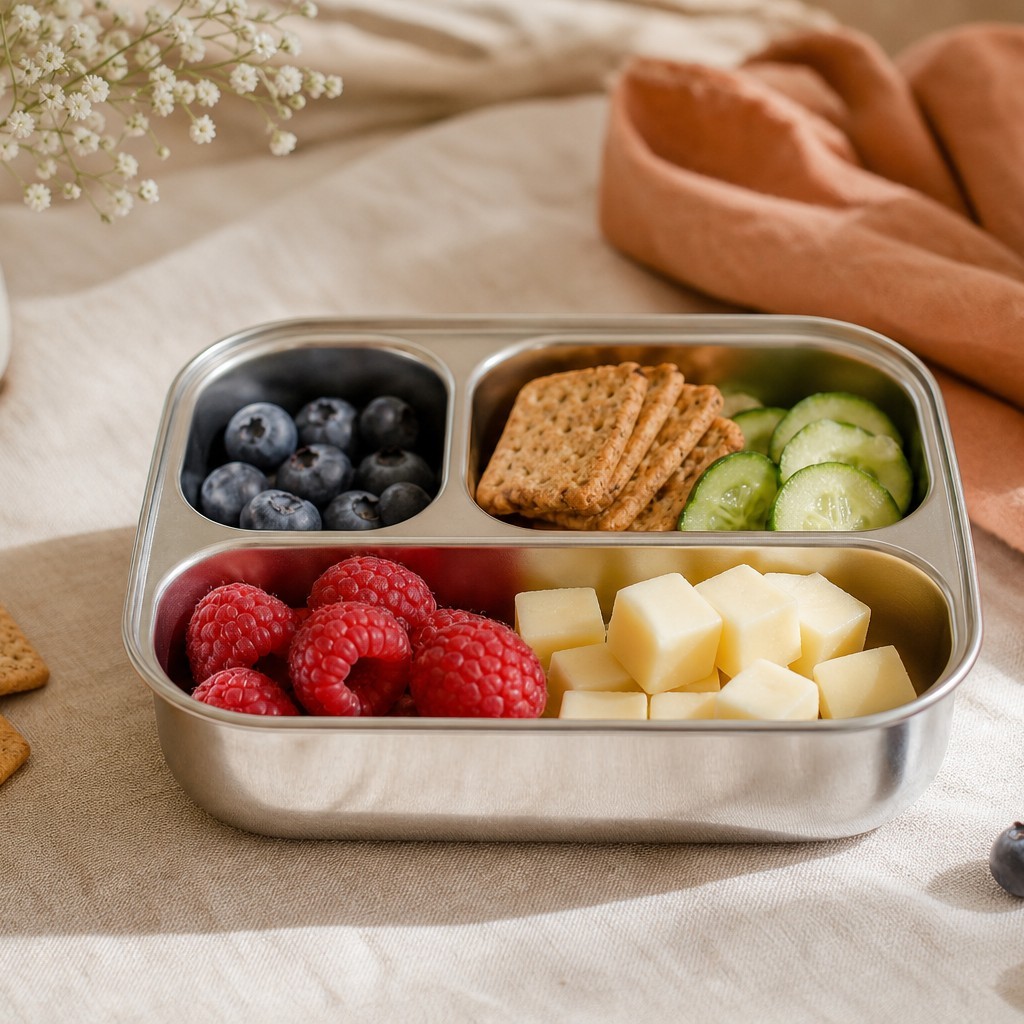
#1. Stainless Steel Kids Snack Container
$15–$35
Pros
- Durable for dry snacks, fruit, and lunchbox staples
- Resists staining better than most plastic containers
Cons
- Heavier than plastic and not microwave-safe
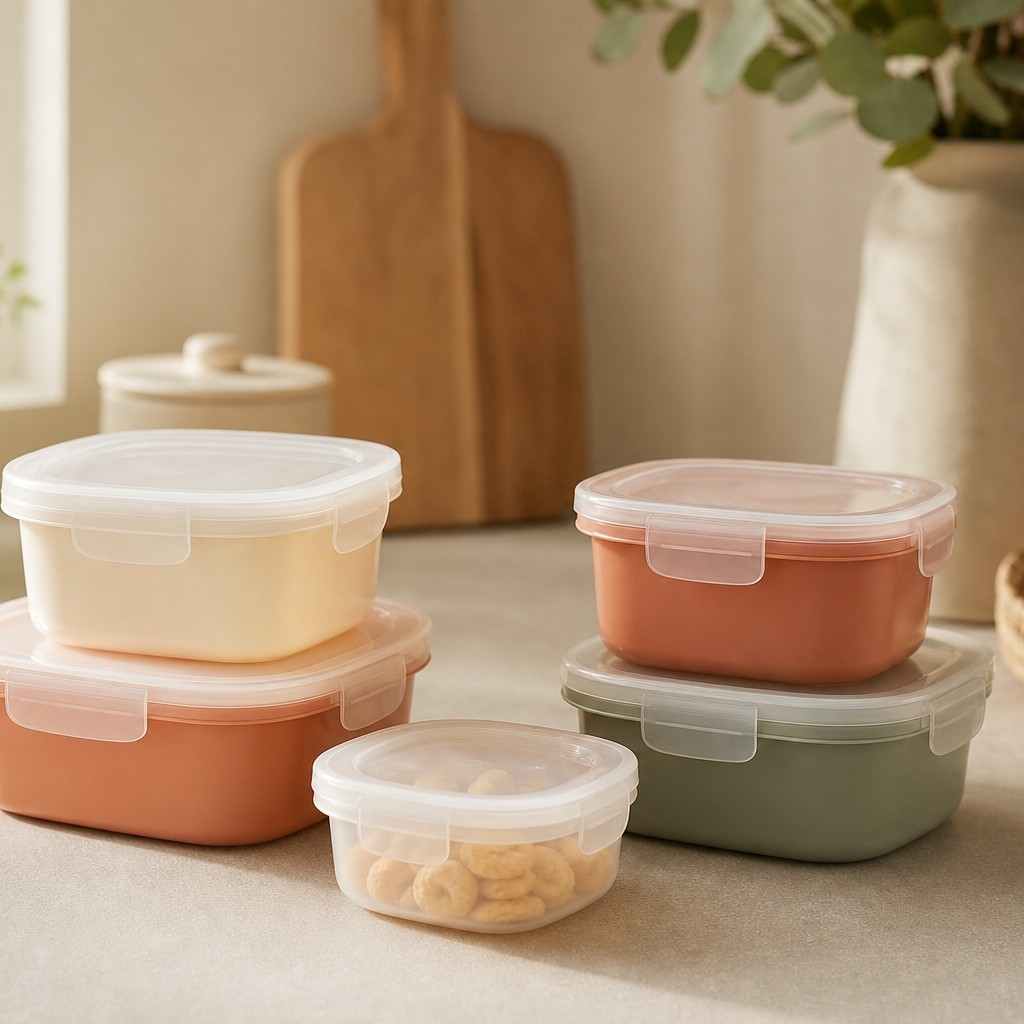
#2. Plastic Kids Snack Containers
$10–$25
Pros
- Lightweight, inexpensive, and easy to replace
- Useful for daycare backups, freezer portions, and travel snacks
Cons
- Can stain, scratch, or lose seal quality over time
Cost comparison
Plastic wins upfront. Stainless steel often wins if you keep it for years.
A smart setup might be:
- two stainless containers for lunchbox staples
- several inexpensive plastic containers for backup and travel
- one small leakproof container for dips or wet snacks
That gives flexibility without buying a full matching system.
Bottom line
Stainless steel is durable and good for lunchbox staples. Plastic is light, cheap, and useful for backups. Choose based on what you pack, whether your child can open it, and how often containers disappear from your house.
The Hippie Mom Blog Team
We research every product roundup against published certifications and specs, not marketing copy. Read more about how we choose products.
Related articles
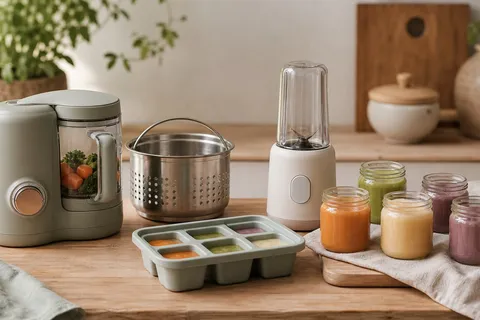
Baby Food Makers vs. Simple Kitchen Tools
A practical comparison of baby food makers, steamers, blenders, and simple kitchen tools for parents making baby food at home.
Choosing a Bottle Drying Rack
A practical guide to bottle drying racks, including capacity, footprint, and material options for daily bottle-washing routines.
Choosing a Bottle Sterilizer: Steam vs. UV vs. Boiling
A practical comparison of bottle sterilizing methods — steam, UV, and boiling — including speed, cost, and what's actually necessary.