Baby Food Makers vs. Simple Kitchen Tools
A practical comparison of baby food makers, steamers, blenders, and simple kitchen tools for parents making baby food at home.
Updated July 23, 2026
Affiliate disclosure: This post contains Amazon affiliate links. If you buy through them, we may earn a commission at no extra cost to you. See our full disclosure policy.
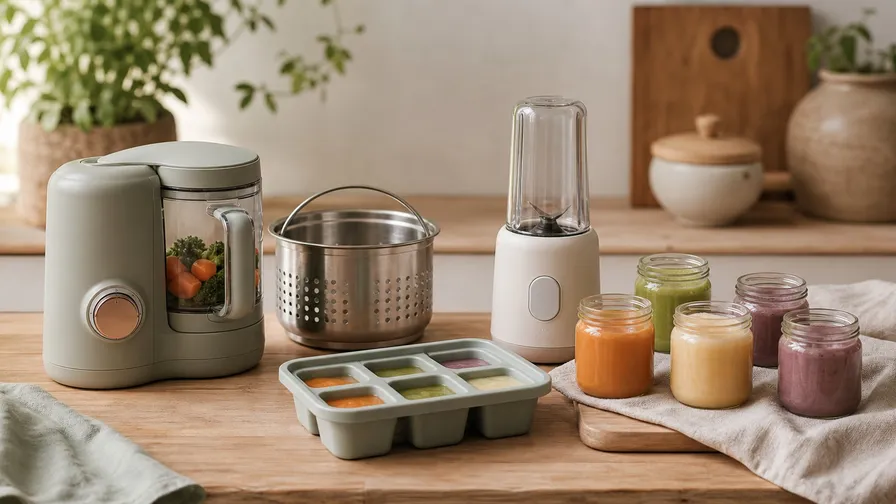
Baby food makers are convenient, but they are not required. The decision comes down to workflow: one appliance that steams and blends small batches, or regular kitchen tools that do the same job without taking up more space.
For many families, the best setup is boring: a steamer basket, a blender or food processor, a fork for soft foods, and a way to freeze small portions. A baby food maker can still be worth it if convenience is the difference between using it and giving up.
| Product | Price | Best for | Link |
|---|---|---|---|
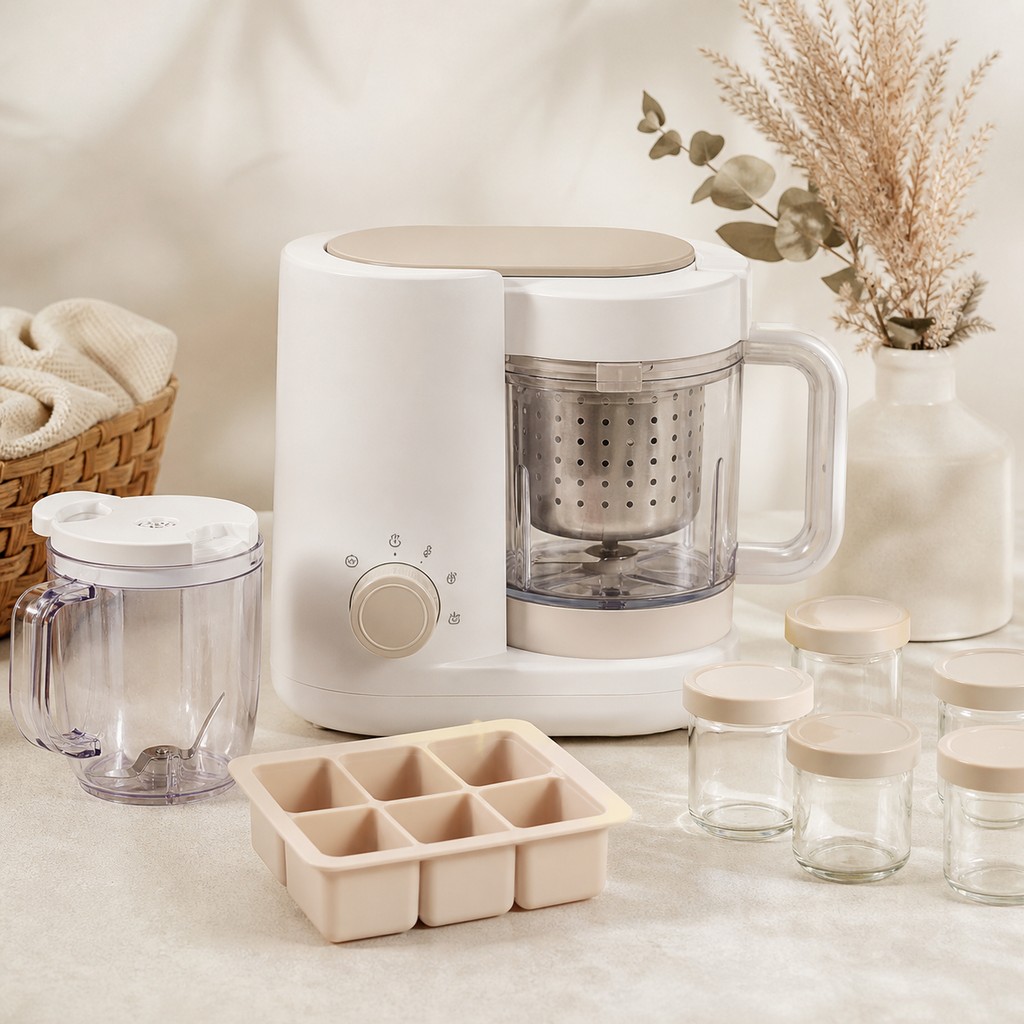 1. Steam-and-Blend Baby Food Maker 1. Steam-and-Blend Baby Food Maker | — | Combines steaming and blending in one appliance | View |
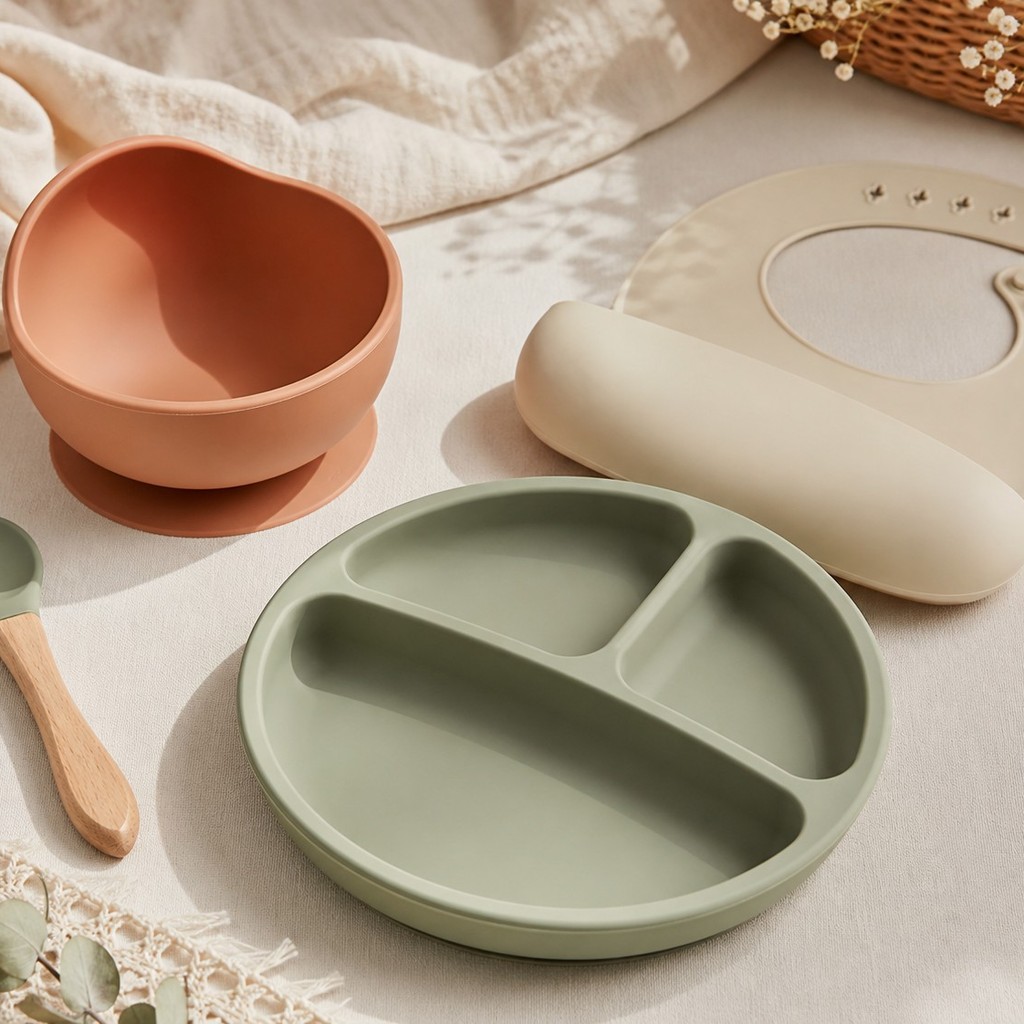 2. Silicone Freezer Tray for Baby Food 2. Silicone Freezer Tray for Baby Food | — | Useful even with a regular blender | View |
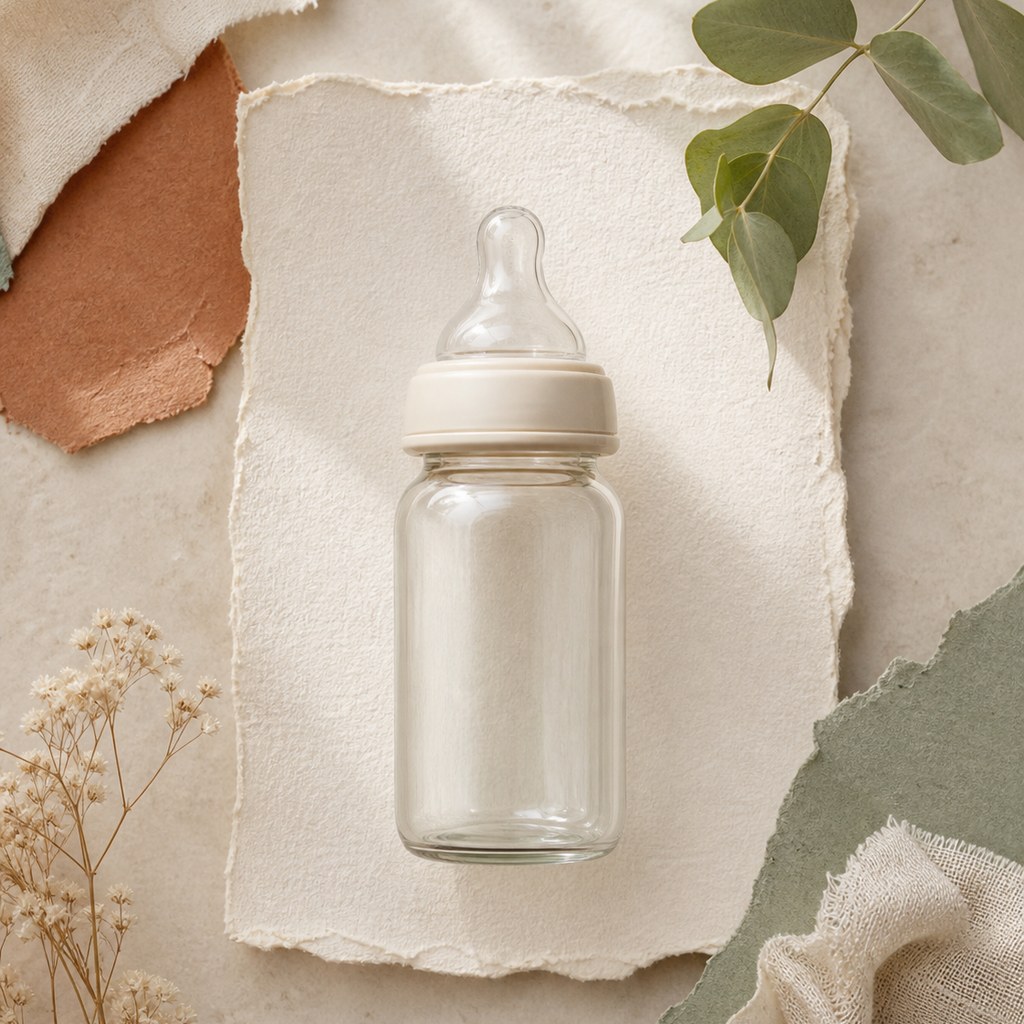 3. Glass Baby Food Storage Jars 3. Glass Baby Food Storage Jars | — | Easy to clean and inspect | View |
What a baby food maker does well
A steam-and-blend baby food maker keeps the process contained. You add the food, steam it, blend it, and wash one main container. That can be useful in a small kitchen or for parents who like clear steps.
#1. Steam-and-Blend Baby Food Maker
Pros
- Combines steaming and blending in one appliance
- Convenient for small baby-food batches
Cons
- Single-purpose appliance
- Takes cabinet space after the puree stage
The trade-off is lifespan. The puree stage is short for many babies, especially if you move quickly into mashed foods and soft finger foods. If you already own a blender, a dedicated baby appliance may not earn its cabinet space for long.
What simple kitchen tools do well
A steamer basket and blender can make larger batches than many baby food makers. They are also useful after the baby-food phase. You can steam vegetables for the whole family, then blend or mash a small portion for the baby.
The downside is cleanup and coordination. You may use a pot, basket, blender, spatula, and storage container instead of one appliance. If that makes you less likely to prep food, the cheaper setup may not be the better setup.
Storage matters more than the appliance
Small portions are the real challenge with homemade baby food. Babies may eat only a few spoonfuls, and leftovers need to be cooled, stored, and labeled safely.
#2. Silicone Freezer Tray for Baby Food
Pros
- Useful even with a regular blender
- Helps portion small servings
Cons
- Needs freezer space
- Lids and odors vary by brand
Silicone freezer trays are useful because they let you freeze small portions and pop them out later. Glass jars can also work well for fridge storage or thawed portions.
#3. Glass Baby Food Storage Jars
Pros
- Easy to clean and inspect
- Can be reused beyond purees
Cons
- Heavier than plastic
- Breakable if dropped
When to skip the baby food maker
Skip it if you already cook often, own a blender, and do not mind using regular kitchen tools. Also skip it if your kitchen storage is tight or you plan to do mostly soft finger foods instead of many purees.
When it may be worth buying
Consider it if you want a contained process, have limited time, or know you will not steam and blend with separate tools. Convenience is a valid reason if it means you will actually use it.
The cost-per-month problem
A baby food maker can look reasonable until you consider how short the puree stage may be. If you use it heavily for several months, the convenience may be worth it. If it only makes a few batches before your baby moves to mashed table foods, a regular blender and freezer tray may be the better value.
Think about your cooking habits before buying. Families who already steam vegetables and cook at home may not need a separate appliance. Families who want a very clear process may use the all-in-one machine more consistently.
Cleaning and storage checks
Before choosing any baby food tool, check how many parts touch food and whether those parts are dishwasher-safe. Small blades, seals, lids, and reservoirs can be annoying to clean if the design is fussy.
Storage matters too. A baby food maker, freezer trays, jars, and extra lids all need a place to live. If your kitchen is already crowded, prioritize tools that keep working after the baby-food phase.
A practical starter setup
A simple starter setup is a steamer basket, blender or food processor, fork, silicone freezer tray, and a few small jars. Add a baby food maker only if you want the contained steam-and-blend workflow.
What to buy first
If you are unsure, buy storage first and wait on the appliance. Freezer trays and small jars are useful whether you mash with a fork, use a regular blender, or buy a steam-and-blend machine later. That keeps the first purchase flexible.
Bottom line
A baby food maker is a convenience tool, not an essential. If you already own a steamer and blender, spend first on good storage. If you want a simple all-in-one process and have the space, a steam-and-blend baby food maker can be worth comparing.
Frequently asked questions
Do I need a baby food maker?+
No. A steamer basket, regular blender, fork, and storage containers can handle most homemade baby food. A baby food maker is mainly a convenience purchase.
What is the most useful baby food tool?+
For many families, portioned storage is more useful than the appliance itself because it makes small servings easier to freeze and thaw.
The Hippie Mom Blog Team
We research every product roundup against published certifications and specs, not marketing copy. Read more about how we choose products.
Related articles
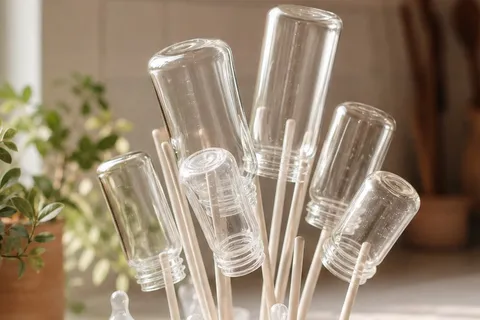
Choosing a Bottle Drying Rack
A practical guide to bottle drying racks, including capacity, footprint, and material options for daily bottle-washing routines.
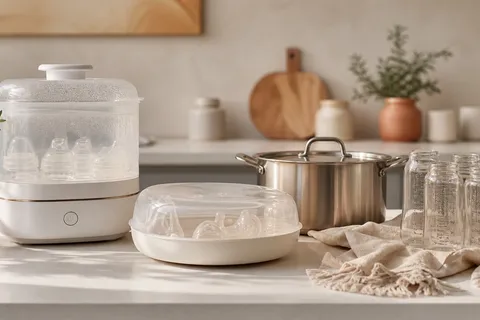
Choosing a Bottle Sterilizer: Steam vs. UV vs. Boiling
A practical comparison of bottle sterilizing methods — steam, UV, and boiling — including speed, cost, and what's actually necessary.
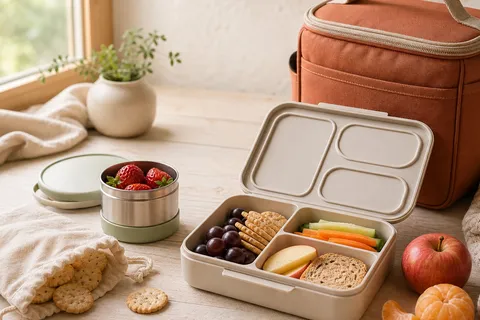
Choosing a Kids' Lunch Box: Insulated and Bento Styles
A practical guide to kids' lunch box styles, including insulated bags, bento-style compartments, and what actually holds up.