Wool Dryer Balls: Do They Actually Work?
Do wool dryer balls work? A practical guide to drying time, static, load size, care, lifespan, and when reusable dryer balls are worth it.
Updated August 1, 2026

Affiliate disclosure: This post contains Amazon affiliate links. If you buy through them, we may earn a commission at no extra cost to you. See our full disclosure policy.
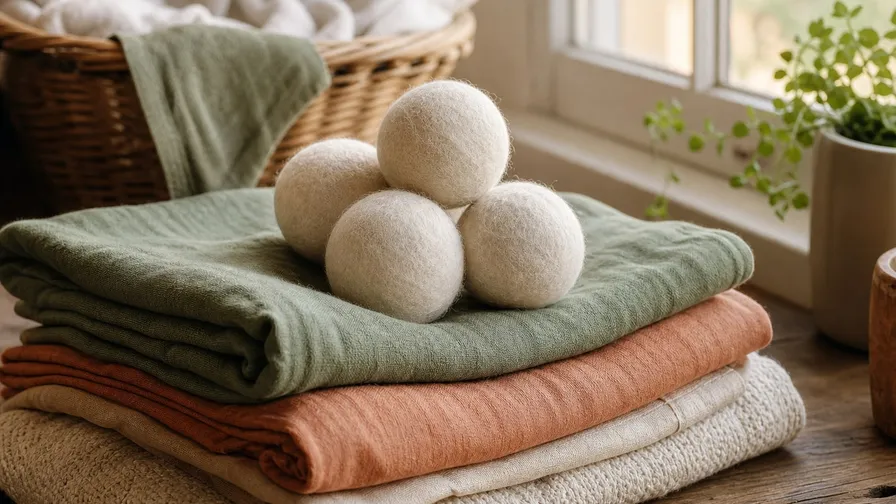
Wool dryer balls are a simple, reusable swap for single-use dryer sheets. They work by physically separating and tumbling laundry as it dries, which improves air circulation between items and can reduce static from fabric rubbing together.
How wool dryer balls work
Wool balls do not absorb water from clothing or change the dryer’s heat. Their main job is mechanical: they tumble between wet items, help keep large pieces from clumping together, and create small air gaps inside the load. Better separation can help warm air reach more fabric surface.
The effect is easiest to notice with bulky cotton loads such as towels, sheets, and sweatshirts. A tiny load already has plenty of room to tumble, while an overloaded dryer leaves too little space for the balls to move. Dryer maintenance matters more than any accessory, so clean the lint filter every load and address a blocked vent before expecting dryer balls to fix long cycles.
Do they actually shorten drying time?
Sometimes, but the honest answer is that the difference depends on the dryer and the load. Dryer balls are most likely to help when wet items would otherwise twist into one heavy bundle. They will not compensate for an overloaded drum, a clogged vent, a weak heating element, or a sensor that ends the cycle too early.
A simple home test is more useful than a universal percentage claim:
- Choose two similar loads, such as two loads of bath towels.
- Use the same washer spin setting and dryer cycle.
- Dry one load without balls and one with four to six balls.
- Note the time when the thickest item is fully dry.
- Repeat once before deciding whether the change is meaningful in your laundry room.
If a load finishes only a few minutes faster, the waste-reduction benefit may matter more than the energy savings. If there is no change, the balls can still help separate laundry and replace disposable dryer sheets.
What they do for static and softness
Tumbling can make towels and cotton clothing feel less stiff, but wool balls do not coat fibers the way liquid softener and dryer sheets do. That is useful for families who want less residue on towels, cloth diapers, or athletic fabric. The result may feel different from heavily softened laundry.
Static is more complicated. Over-drying is a common cause, especially with synthetic fleece and polyester. Dryer balls may reduce some fabric-on-fabric contact, but they cannot eliminate every static charge. Try shortening the cycle, using the sensor setting, and removing synthetic items as soon as they are dry. Mixing natural and synthetic fabrics in one long hot cycle can make static worse.
How many dryer balls to use
Four to six balls is a practical starting point for an average family load. Two may disappear into the laundry without creating much separation. Very large loads can use six or more, but the drum still needs open space for everything to tumble.
Keep the set together in a breathable basket or cotton bag near the dryer. A sealed container can trap moisture if a ball comes out damp. If a ball wanders into a fitted sheet, check the corners before assuming it is lost.
Cleaning and refreshing wool dryer balls
Wool balls need little maintenance. Pull off loose lint by hand and let the balls dry fully between loads. If they become visibly dirty, wash them gently in warm water with a small amount of mild detergent, rinse well, and let them air-dry or run them through a normal dryer load.
Some manufacturers describe washing and drying as “recharging” the wool. It can tighten the felted surface, but it does not restore a ball that is splitting apart. Replace balls when they shed heavily, unravel, smell musty after drying, or no longer hold their shape.
A note about adding fragrance
Adding essential oil to dryer balls is often suggested as a way to scent laundry. It is optional, not required for the balls to work. Oils can transfer to fabric, irritate fragrance-sensitive household members, or create an unwanted concentration in a heated appliance. If fragrance is the goal, follow the dryer-ball maker’s directions and use less than you think you need. An unscented load is the simplest option for baby clothing and sensitive households.
Cost and waste comparison
Dryer balls cost more upfront than one box of dryer sheets, but a durable set can last through hundreds of loads. The math depends on how often you do laundry and whether the balls replace another product. They are less compelling if you already dry without sheets or softener.
They are most useful when they replace a repeated purchase rather than becoming one more laundry accessory. Start with one set, test it for several weeks, and avoid buying scented sprays, storage tins, and replacement sets before the first set wears out.
What they do (and don’t do)
- Reduce static by limiting fabric-on-fabric friction during tumbling.
- Can modestly shorten drying time by improving airflow between items, especially in full loads.
- Don’t add fragrance on their own — they’re an unscented alternative unless you add essential oil yourself.
- Are reusable for a long time — hundreds of loads before the wool visibly wears down, compared to single-use dryer sheets.
Two options to consider
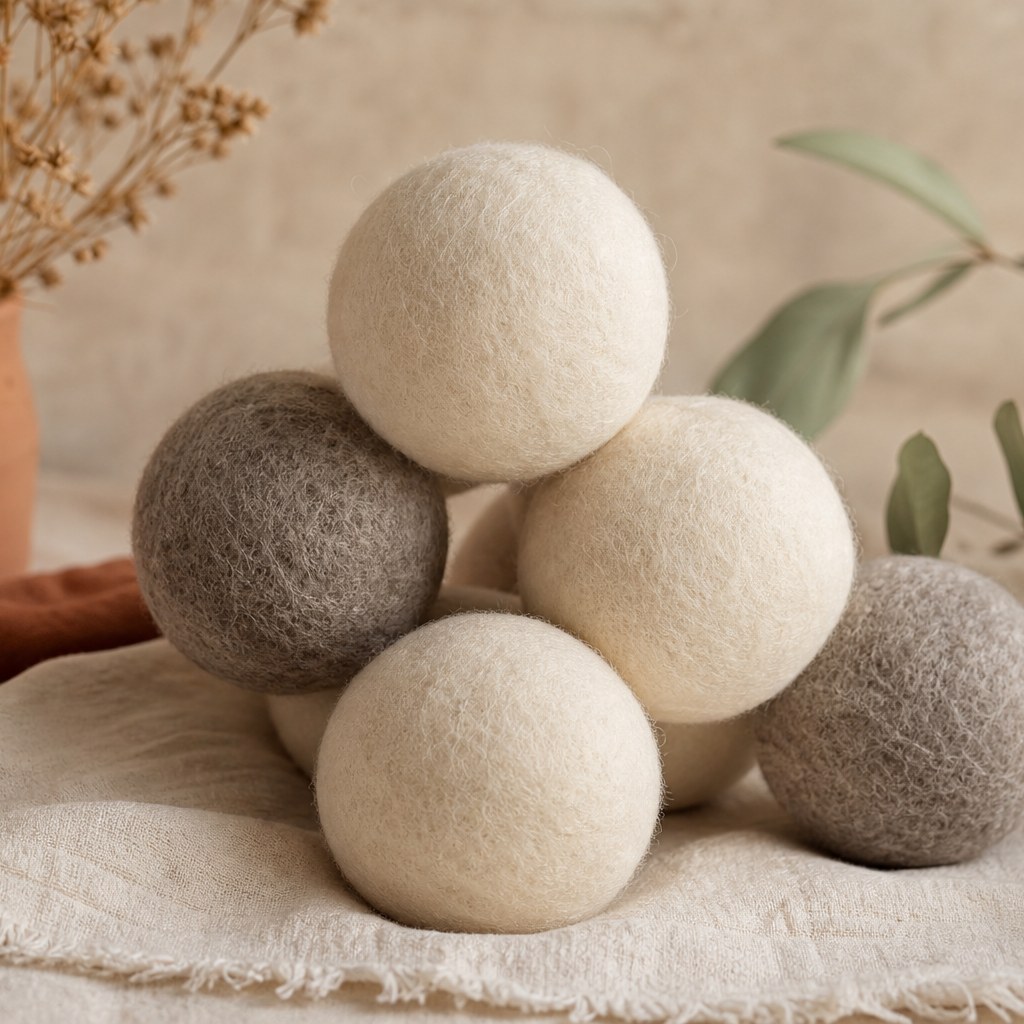
#1. Woolzies Wool Dryer Balls (6-Pack)
$15–$20
Pros
- 100% New Zealand wool, no synthetic fillers
- Reusable for hundreds of loads before wearing out
Cons
- Can be noisy tumbling in the dryer, especially with lighter loads
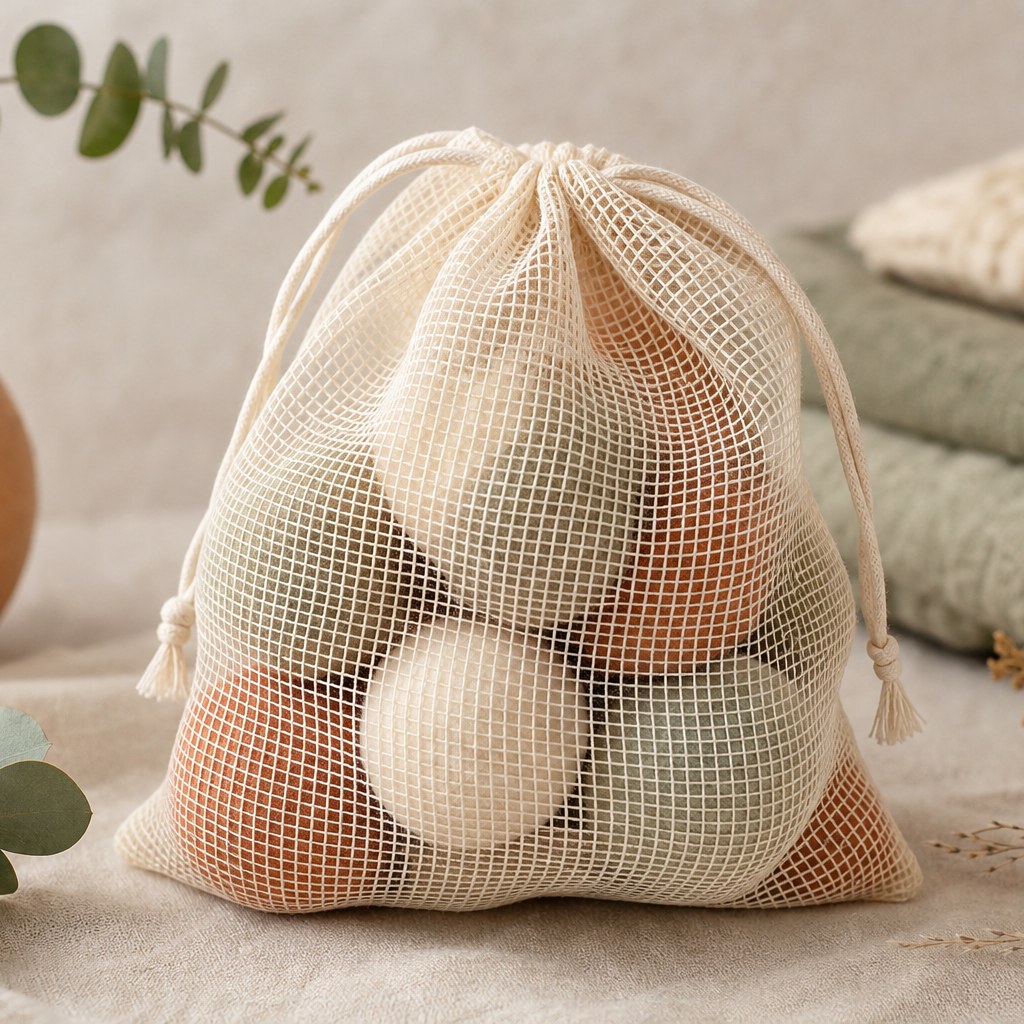
#2. Friendsheep Wool Dryer Balls (4-Pack)
$18–$24
Pros
- Handmade from felted wool, holds shape well over repeated use
- Comes in a resealable bag for storage between uses
Cons
- Smaller pack size than Woolzies for a similar price
Is the switch worth it?
If you’re mainly trying to cut down on single-use dryer sheet waste and don’t need built-in fragrance, wool dryer balls are a straightforward, low-maintenance swap. If scent is the main reason you use dryer sheets, you’ll want to pair wool balls with a separate scent source to get a similar result.
Frequently asked questions
Do wool dryer balls actually reduce drying time?+
They can help by separating laundry as it tumbles, which improves air circulation — many users report a modest reduction in drying time, though the effect varies by load size and fabric type.
Do wool dryer balls replace fabric softener?+
They reduce static and can soften fabric somewhat through the tumbling action, but they don't add fragrance or the same texture effect as liquid fabric softener. If you want scent, some people add a few drops of essential oil directly to the wool ball.
How long do wool dryer balls last?+
Most last for several hundred loads — usually a year or more of regular laundry — before the wool starts to visibly break down and they need replacing.
The Hippie Mom Blog Team
We research every product roundup against published certifications and specs, not marketing copy. Read more about how we choose products.
Related articles
Choosing a Compost Bin for a Family Kitchen
A practical guide to kitchen compost bins, including countertop vs. under-sink options, odor control, and what to actually compost.

Choosing Glass vs. Plastic Food Storage Containers
A practical comparison of glass and plastic food storage containers, including durability, microwave use, and family kitchen practicality.

Natural Air Freshener Alternatives: What Actually Works
A practical guide to natural air freshener alternatives, including simmer pots, reed diffusers, and baking soda-based odor absorbers.