🌱 Hippie Mom Blog
🏡 Natural HomeJULY 9, 2026

Best Natural All-Purpose Cleaners in 2026

A practical comparison of three plant-based all-purpose cleaners, including ingredient transparency, scent, dilution, surface compatibility, and cost per use.

Updated August 1, 2026

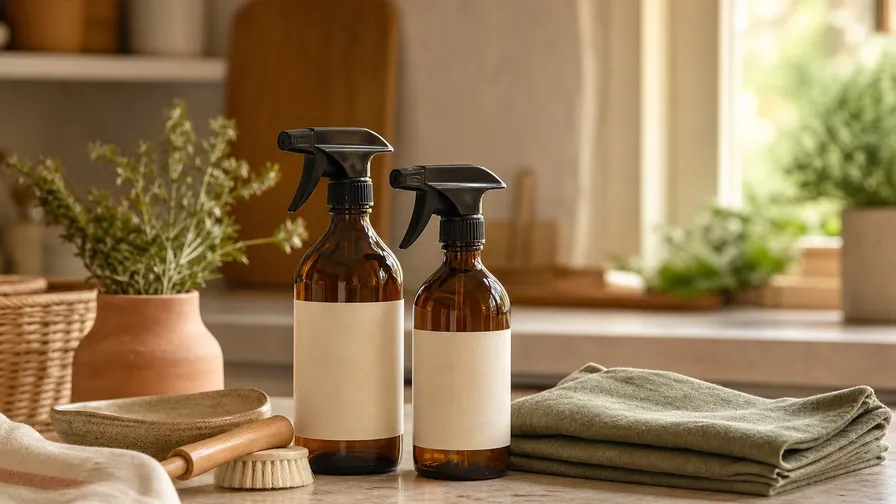
Bottles of natural all-purpose cleaner on a kitchen counter

Affiliate disclosure: This post contains Amazon affiliate links. If you buy through them, we may earn a commission at no extra cost to you. See our full disclosure policy.

Plant-based all-purpose cleaners vary a lot in price, format, and how transparent the brand is about ingredients. We looked at three options that publish full ingredient lists rather than just using “natural” as a front-label claim.

How we compared these cleaners

This is not a laboratory ranking. We compared the product information a shopper can verify before buying: whether a full ingredient list is available, whether the formula is a concentrate or ready-to-use spray, fragrance choices, stated surface directions, packaging format, and the recurring cost of keeping it in the house.

“Natural” is not a regulated performance standard. A clearer label and a shorter ingredient list do not automatically make one cleaner stronger. The useful questions are whether the maker explains what is in the bottle, where it can be used, how it should be diluted, and what job it is designed to do.

All-purpose cleaning is not disinfecting

An everyday cleaner removes crumbs, grease, fingerprints, and ordinary grime. A disinfectant is registered and labeled for killing specified microorganisms when used exactly as directed, including the required wet contact time. These are different jobs.

Do not assume a plant-based all-purpose spray disinfects because the bottle uses words such as clean, fresh, or botanical. Use an appropriate registered disinfectant when the situation calls for one, and never mix cleaners in an attempt to make them stronger.

Concentrate versus ready-to-use spray

A concentrate can reduce the number of spray bottles purchased and may cost less per refill, but it adds a measuring step. Mark the bottle clearly, follow the stated dilution ratio, and do not make the solution stronger “for tough messes” unless the directions allow it. Extra concentrate can leave residue without improving the result.

Ready-to-use sprays are easier for quick cleanup and shared households because nobody has to remember a ratio. They usually cost more per ounce of usable cleaner and create more packaging over time. The best format is the one your household will mix correctly and use consistently.

Surface compatibility matters

No all-purpose cleaner is truly for every surface. Before spraying widely, check directions for:

  • sealed versus unsealed stone
  • finished hardwood
  • painted cabinets
  • stainless steel appliances
  • acrylic, glass, and mirrors
  • food-contact surfaces and whether rinsing is required

Test a small hidden area when the finish is unfamiliar. Spray onto a cloth rather than directly onto electronics, wood seams, or appliance controls. For marble, granite, and other stone, use a product specifically described as compatible with that material.

Fragrance and ingredient transparency

Fragrance-free and unscented are not always interchangeable, so check the ingredient disclosure instead of relying on the front label. Fragrance can be a preference issue even when the ingredients are allowed for household use. Families with scent-sensitive members may find an unscented option easier to live with.

A published ingredient list is useful because it lets shoppers compare formulas and avoid a known household sensitivity. It does not prove that every ingredient is harmless in every amount or that the product will clean every mess.

Cost per usable bottle

The shelf price does not tell the full story. For concentrates, calculate how many correctly diluted spray bottles the container makes. Add the cost of any required refill bottle or shipping. For ready-to-use products, compare price per ounce and how quickly the household empties a bottle.

Also count waste from products you dislike. A cheaper spray that leaves a scent nobody tolerates or a concentrate that nobody wants to mix is not economical if it sits unused.

What each option is best suited for

Branch Basics Concentrate fits households that clean frequently, do not mind measuring, and want one concentrate for several labeled dilution strengths. The higher initial purchase makes more sense when the whole kit will actually be used.

Puracy All-Purpose Cleaner is the straightforward option for people who want a prepared spray and an unscented choice. It requires less setup but costs more per usable ounce than many concentrates.

Better Life All-Purpose Cleaner is easier to find locally and has a lower entry price. Check the exact scent before buying because the fragrance experience varies more than the cleaning job.

Common mistakes to avoid

  • Do not mix an all-purpose cleaner with bleach, ammonia, vinegar, or another cleaning product.
  • Do not use a general spray on unfinished wood or natural stone without checking compatibility.
  • Do not eyeball concentrate ratios.
  • Do not spray around children or pets and leave the bottle within reach.
  • Do not transfer cleaner into an unmarked drink bottle or food container.
  • Do not treat a pleasant smell as proof that a surface is clean.

Quick comparison

ProductPriceBest forLink
Branch Basics Concentrate1. Branch Basics Concentrate$45 starter kit (makes multiple bottles)Full ingredient list published on the label and websiteView
Puracy Natural All-Purpose Cleaner2. Puracy Natural All-Purpose Cleaner$12–$16Ready to use out of the bottle, no mixing requiredView
Better Life All-Purpose Cleaner3. Better Life All-Purpose Cleaner$8–$12Widely available in grocery stores, not just onlineView

1. Branch Basics Concentrate

Branch Basics Concentrate

#1. Branch Basics Concentrate

$45 starter kit (makes multiple bottles)

Pros

  • Full ingredient list published on the label and website
  • One concentrate bottle dilutes into all-purpose, glass, and bathroom cleaner

Cons

  • Higher upfront cost than a single ready-to-use spray bottle
Check price on Amazon

2. Puracy Natural All-Purpose Cleaner

Puracy Natural All-Purpose Cleaner

#2. Puracy Natural All-Purpose Cleaner

$12–$16

Pros

  • Ready to use out of the bottle, no mixing required
  • Plant-based surfactants, unscented option available

Cons

  • Costs more per ounce than concentrate-based options over time
Check price on Amazon

3. Better Life All-Purpose Cleaner

Better Life All-Purpose Cleaner

#3. Better Life All-Purpose Cleaner

$8–$12

Pros

  • Widely available in grocery stores, not just online
  • Lower cost than most plant-based competitors

Cons

  • Scented versions have a noticeable fragrance that not everyone likes
Check price on Amazon

Which one makes sense for your household

If you go through a lot of cleaner and want the lowest long-term cost, Branch Basics’ concentrate format pays off over time despite the higher upfront price. If you want zero setup and don’t mind paying more per ounce, Puracy is the simplest option. If you want something available at a local grocery store without ordering online, Better Life is the most accessible pick.

Frequently asked questions

What does 'natural' actually mean on a cleaning product label?+

It's not a regulated term, so it can mean very different things across brands. What's actually useful is checking the ingredient list directly — look for plant-based surfactants and published full disclosure, rather than relying on the word 'natural' on the front label.

Do natural cleaners work as well as conventional ones?+

For everyday surface cleaning — counters, appliance exteriors, general messes — plant-based all-purpose cleaners generally perform comparably. For specific tough jobs like heavy grease or disinfecting, check the specific product's intended use rather than assuming any all-purpose cleaner covers every case.

#naturalcleaning#all-purposecleaner#home

The Hippie Mom Blog Team

We research every product roundup against published certifications and specs, not marketing copy. Read more about how we choose products.

Related articles