Choosing a Baby Carrier: Wrap, Soft-Structured, or Framed
A practical comparison of wrap, soft-structured, and framed baby carriers, including comfort, learning curve, and when each type works best.
Affiliate disclosure: This post contains Amazon affiliate links. If you buy through them, we may earn a commission at no extra cost to you. See our full disclosure policy.
Baby carriers fall into a few broad categories, and the right one usually depends on your baby’s age, how long you wear them at a stretch, and how much setup time you’re willing to deal with.
Wrap carriers
A wrap is a long piece of fabric tied in various configurations. Wraps are flexible for newborns through toddlers and distribute weight well when tied correctly, but they take practice to learn and can feel like a lot of fabric to manage, especially at first.
Soft-structured carriers (buckle carriers)
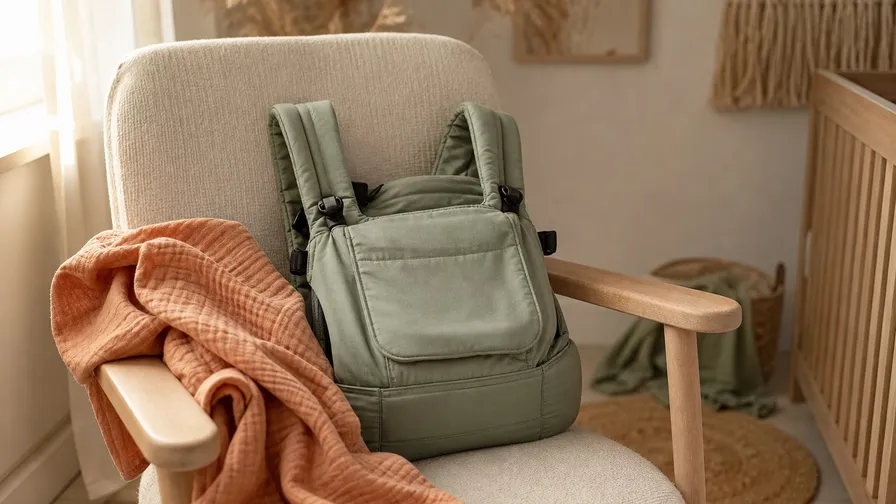
These use buckles and padded straps instead of wrapping, which makes them faster to put on and take off. They’re a common choice once a baby is a bit older and heavier, since the structured waistband and shoulder straps help distribute weight for longer wearing sessions.
Framed carriers
Framed carriers, often used for hiking or longer outdoor outings, have a rigid frame and are built for carrying older babies and toddlers for extended periods. They’re bulkier and not meant for everyday indoor use, but they’re worth it for families who carry a heavier toddler on long walks or trails.
What to check regardless of type
- Stated age and weight range for the specific carrier
- Adjustability if more than one caregiver will use it
- Breathability of the fabric for warmer climates
- Storage pockets, if that’s useful for your outings
Matching carrier to routine
- Newborn stage, lots of at-home wearing: a wrap or a soft-structured carrier with a newborn insert
- Older baby, frequent errands: a soft-structured buckle carrier for quick on-and-off
- Toddler, longer outdoor outings: a framed carrier built for extended wear
Helpful search link
If you are buying only one carrier first, a soft-structured buckle carrier is usually the most practical starting point because it is faster to put on than a wrap and less specialized than a hiking frame. Check the manufacturer’s minimum weight, hip-positioning guidance, and whether the panel adjusts as your baby grows.
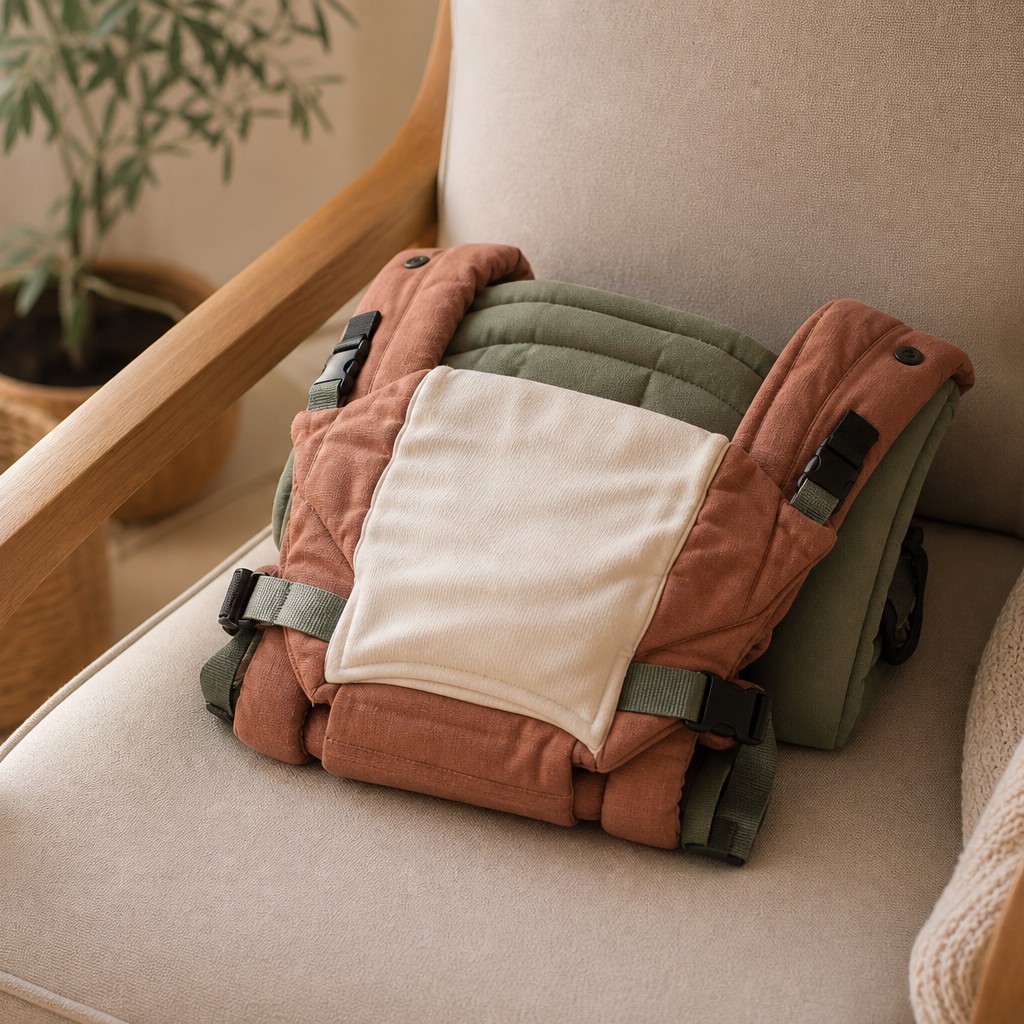
#1. Soft-Structured Baby Carrier
$40–$180
Pros
- Fast buckle setup for errands and daily use
- Padded straps and waistband help distribute weight
Cons
- Bulkier than a fabric wrap and fit varies by caregiver
Common mistakes that make carriers frustrating
The most common mistake is buying for the fantasy outing instead of the actual routine. A hiking frame looks useful if you imagine long trail days, but it will not help much with grocery trips, contact naps, or school pickup. A stretchy wrap feels cozy for the newborn stage, but it may feel slow if you need quick on-and-off several times a day.
Also check who will use the carrier. If two caregivers have very different body sizes, look for easy strap adjustment and a waistband that does not require a full rethread every time. If only one person plans to wear the baby, fit and comfort for that person matter more than universal adjustability.
Comfort checks before committing
When comparing listings, look beyond the lifestyle photos. Check whether the carrier supports front carry, back carry, or both; whether it needs an infant insert; and whether the seat width adjusts for different stages. A carrier that fits a six-month-old well may not be ideal for a newborn without extra support.
Breathability matters too. A thick padded carrier can feel secure in cooler weather but sweaty in summer. If you live somewhere hot, fabric and airflow may matter more than pockets or accessories.
When to wait before buying
If you are still pregnant or shopping early, it is reasonable to buy one practical starter carrier and wait on the rest. Babies have preferences, caregivers have preferences, and some families discover they barely use a carrier after the newborn stage. Start with the use case you know you will have, then add a second type only if your routine asks for it.
Bottom line
Wraps offer flexibility and closeness at the cost of a learning curve. Soft-structured carriers are faster and easier for daily use. Framed carriers are built for longer outdoor treks with an older child. Most families end up using more than one type as their baby grows.
Frequently asked questions
What age can a baby start using a carrier?+
This depends on the specific carrier's design and weight/age range, which varies by brand and model. Always check the manufacturer's stated minimum age and weight before use.
Are wrap carriers hard to learn?+
There's a learning curve compared to soft-structured carriers with buckles, but most parents get comfortable after a few practice sessions. Video tutorials from the specific brand can help since wrapping techniques vary.
The Hippie Mom Blog Team
We research every product roundup against published certifications and specs, not marketing copy. Read more about how we choose products.
Related articles

Baby Hair Products: What's Actually Useful and What to Skip
A practical guide to baby hair care basics — shampoo, detangler, and soft brushes — without medical or scalp-condition claims.

Baby Products for Sensitive Skin: What to Check
A practical guide to choosing baby products for sensitive skin without making medical claims or overbuying skincare products.
Baby Proofing Basics: A Room-by-Room Checklist
A practical, room-by-room baby proofing checklist covering furniture anchoring, outlets, and common household hazards.